Analytical Data
-
Gene name
Vitamin D Receptor/VDR
-
简介
Vitamin D receptor (VDR) protein is the nuclear receptor of calcitriol, which translocates to the nucleus after binding vitamin D3, thereby coordinating cellular activities.VDR forms a heterodimer with RXR, binds to DNA response elements, and initiates the transcription of vitamin D3-responsive genes.Vitamin D Receptor/VDR Protein, Mouse (sf9, His) is the recombinant mouse-derived Vitamin D Receptor/VDR protein, expressed by Sf9 insect cells , with C-His labeled tag.
- Application
-
Biological Activity
Measured by its ability to inhibit calcitriol-mediated cytotoxicity using C2C12 cells treated with VDR. The ED50 for this effect is 0.497 μg/mL, corresponding to a specific activity is 2010.454 Unit/mg. Measured by its ability to inhibit calcitriol-mediated cytotoxicity using C2C12 cells treated with VDR. The ED50 for this effect is 0.497 μg/mL, corresponding to a specific activity is 2010.454 Unit/mg.
-
Alternative Names
Vitamin D3 receptor; VDR; NR1I1
-
Species
Mouse
-
Source
Baculovirus
-
Tag
C-10*His
-
Purity
Greater than 90% as determined by SDS-PAGE.
-
Uniprot
P48281
-
Expression Region
M1-S422
-
AA Sequence
MEAMAASTSLPDPGDFDRNVPRICGVCGDRATGFHFNAMTCEGCKGFFRRSMKRKALFTCPFNGDCRITKDNRRHCQACRLKRCVDIGMMKEFILTDEEVQRKREMIMKRKEEEALKDSLRPKLSEEQQHIIAILLDAHHKTYDPTYADFRDFRPPIRADVSTGSYSPRPTLSFSGDSSSNSDLYTPSLDMMEPASFSTMDLNEEGSDDPSVTLDLSPLSMLPHLADLVSYSIQKVIGFAKMIPGFRDLTSDDQIVLLKSSAIEVIMLRSNQSFTLDDMSWDCGSQDYKYDITDVSRAGHTLELIEPLIKFQVGLKKLNLHEEEHVLLMAICIVSPDRPGVQDAKLVEAIQDRLSNTLQTYIRCRHPPPGSHQLYAKMIQKLADLRSLNEEHSKQYRSLSFQPENSMKLTPLVLEVFGNEIS
-
Protein Length
Full Length
-
Molecular Weight
50 kDa
-
Endotoxin
< 1.0 EU per μg protein as determined by the LAL method.
-
Form
Freeze-dried powder
-
Buffer formulation
PBS, pH7.4, containing 0.01% SKL, 1mM DTT, 5% Trehalose and Proclin300.
-
Reconstitution
Reconstitute in ddH2O to a concentration of 0.1-0.5 mg/mL. Do not vortex.
- Customization
-
Stability Test
The thermal stability is described by the loss rate. The loss rate was determined by accelerated thermal degradation test, that is, incubate the protein at 37℃ for 48h, and no obvious degradation and precipitation were observed. The loss rate isless than 8% within the expiration date under appropriate storage condition.
-
Storage & Shelf Life
Samples are stable for up to twelve months from date of receipt at -20℃ to -80℃. Store it under sterile conditions at -20℃ to -80℃. It is recommended that the protein be aliquoted for optimal storage. Avoid repeated freeze-thaw cycles.
-
Shipping
In general, recombinant proteins are supplied as lyophilized powder and shipped at ambient temperature. For bulk packages, the proteins are provided as frozen liquid and shipped with blue ice, unless otherwise requested by the customer.
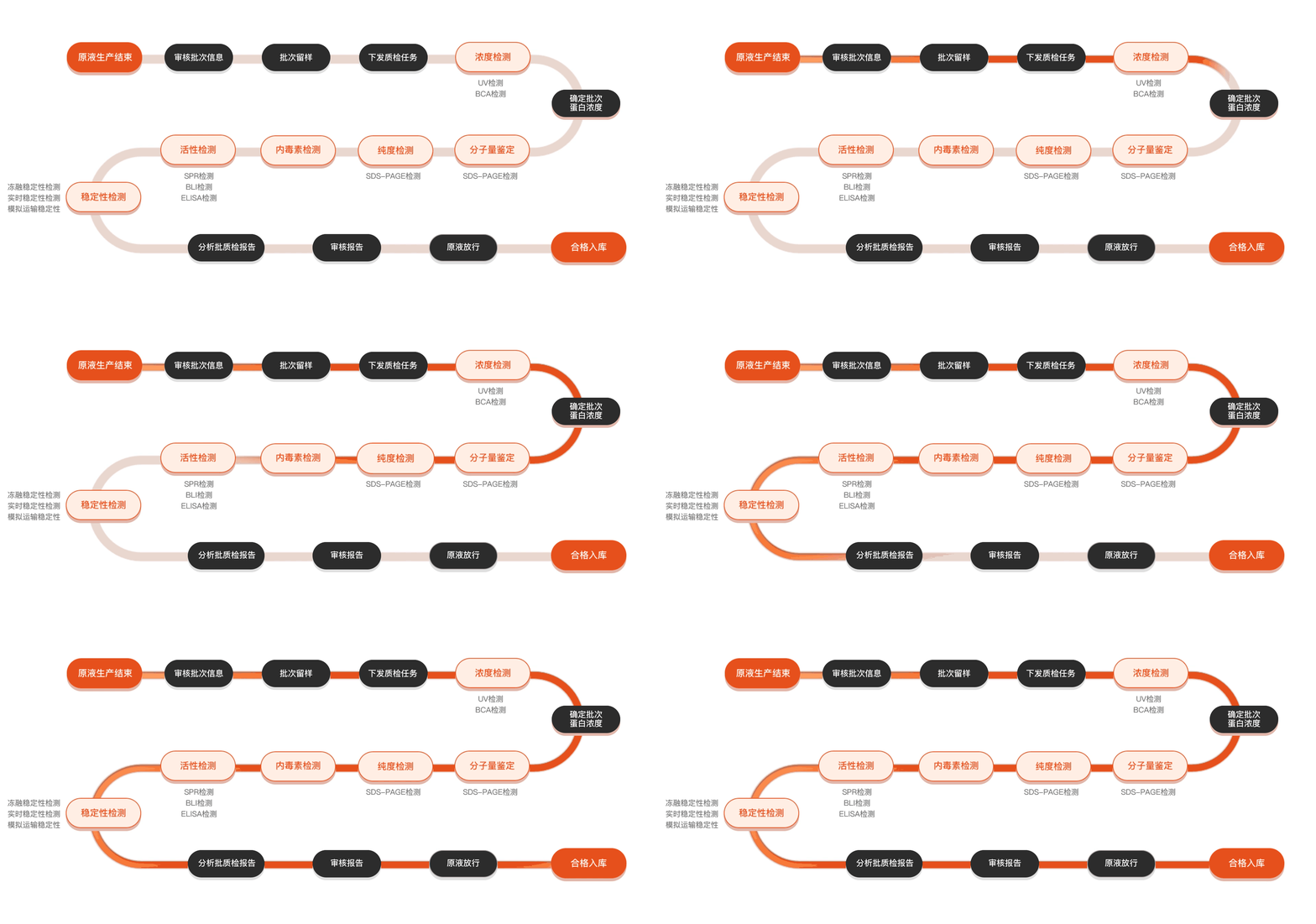
Quality inspection process
Related Products
Protein Description
Vitamin D receptor (VDR) is a crucial member of the steroid hormone receptor superfamily, primarily known for mediating the biological effects of vitamin D in various target tissues. Its role extends beyond calcium and phosphorus homeostasis; VDR is also implicated in immune response regulation, cell proliferation, and differentiation. Due to its involvement in various physiological processes, VDR has garnered significant attention in research, particularly in its potential associations with chronic diseases, autoimmune disorders, and certain cancers. The recombinant protein form of VDR allows researchers to study its structure-function relationships, identify binding partners, and explore its role in gene regulation. Moreover, understanding the functionality of VDR through recombinant technology can facilitate the development of VDR-targeted therapies, offering potential treatments for diseases linked to vitamin D deficiency or receptor malfunction. As many individuals suffer from inadequate vitamin D levels, elucidating the mechanisms of VDR through recombinant protein studies is essential for advancing therapeutic strategies and improving health outcomes related to bone health, immune function, and overall metabolic processes.