Analytical Data
-
Gene name
GLP1
- Application
-
Species
Mouse
-
Source
E. coli
-
Tag
N- His & GST
-
Purity
Greater than 90% as determined by SDS-PAGE.
-
Uniprot
P55095
-
Expression Region
His92~Gly128
-
Molecular Weight
38kDa
-
Endotoxin
< 1.0 EU per μg protein as determined by the LAL method.
-
Form
Freeze-dried powder
-
Buffer formulation
PBS, pH7.4, containing 0.01% SKL, 1mM DTT, 5% Trehalose and Proclin300.
-
Reconstitution
Reconstitute in ddH2O to a concentration of 0.1-0.5 mg/mL. Do not vortex.
- Customization
-
Stability Test
The thermal stability is described by the loss rate. The loss rate was determined by accelerated thermal degradation test, that is, incubate the protein at 37℃ for 48h, and no obvious degradation and precipitation were observed. The loss rate isless than 8% within the expiration date under appropriate storage condition.
-
Storage & Shelf Life
Samples are stable for up to twelve months from date of receipt at -20℃ to -80℃. Store it under sterile conditions at -20℃ to -80℃. It is recommended that the protein be aliquoted for optimal storage. Avoid repeated freeze-thaw cycles.
-
Shipping
In general, recombinant proteins are supplied as lyophilized powder and shipped at ambient temperature. For bulk packages, the proteins are provided as frozen liquid and shipped with blue ice, unless otherwise requested by the customer.
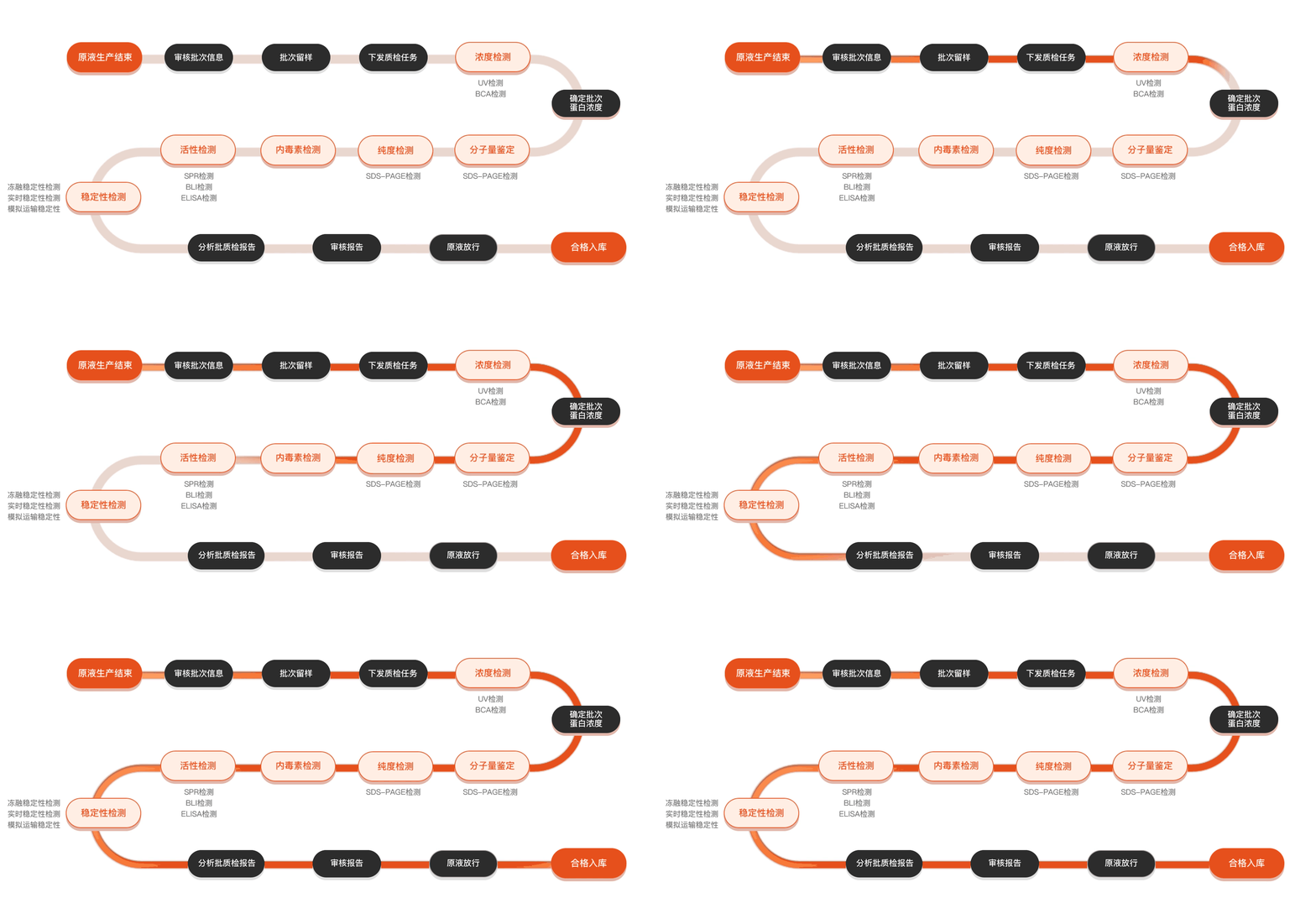
Quality inspection process
Related Products
Protein Description
GLP-1 (Glucagon-like peptide-1) is a critical incretin hormone involved in glucose metabolism and appetite regulation. It is secreted by the intestinal L-cells in response to food intake and plays a pivotal role in enhancing insulin secretion from pancreatic β-cells while suppressing glucagon release. Due to its insulinotropic properties, GLP-1 has garnered significant interest in diabetes therapeutics, particularly in the management of Type 2 Diabetes Mellitus (T2DM). Additionally, GLP-1 has been recognized for its potential in weight management and cardiovascular protection, making it an attractive target for drug development. Research on GLP-1 recombinant proteins encompasses the synthesis and characterization of GLP-1 analogs and agonists, which aim to prolong its half-life and enhance its efficacy. These modified peptides are designed to overcome the rapid degradation of native GLP-1 by the enzyme DPP-4 (Dipeptidyl Peptidase-4). As a result, several GLP-1 receptor agonists have been developed and approved for clinical use, exhibiting significant improvements in glycemic control and weight reduction among T2DM patients. Continuous investigations aim to analyze the pharmacodynamics, pharmacokinetics, and potential side effects of these therapies, while also exploring novel formulations and delivery methods to optimize patient outcomes. Overall, the research surrounding GLP-1 recombinant proteins highlights their transformative potential in the management of metabolic disorders, particularly as the global prevalence of diabetes and obesity continues to rise.