

Analytical Data
-
Gene name
FITC-Labeled TPBG/5T4
-
简介
TPBG/5T4 protein acts as an inhibitor of Wnt/β-catenin signaling, possibly by interacting indirectly with LRP6 and hindering Wnt3a-dependent LRP6 internalization. This means that TPBG/5T4 plays a crucial role in regulating the complex Wnt/β-catenin signaling pathway and exerts a regulatory influence on cellular responses related to this pathway. TPBG/5T4 Protein, Human (FITC, HEK293, His-Avi) is the recombinant human-derived TPBG/5T4 protein, expressed by HEK293 , with C-Avi, C-His labeled tag.
- Application
-
Alternative Names
M6P1; 5T4AG; WAIF1; TPBG; 5T4
-
Species
Human
-
Source
HEK293
-
Tag
C-Avi;C-His
-
Purity
Greater than 90% as determined by SDS-PAGE.
-
Uniprot
Q13641-1
-
Expression Region
S32-S355
-
Protein Length
Extracellular Domain
-
Molecular Weight
50-70 kDa
-
Endotoxin
< 1.0 EU per μg protein as determined by the LAL method.
-
Form
Freeze-dried powder
-
Buffer formulation
PBS, pH7.4, containing 0.01% SKL, 1mM DTT, 5% Trehalose and Proclin300.
-
Reconstitution
Reconstitute in ddH2O to a concentration of 0.1-0.5 mg/mL. Do not vortex.
- Customization
-
Stability Test
The thermal stability is described by the loss rate. The loss rate was determined by accelerated thermal degradation test, that is, incubate the protein at 37℃ for 48h, and no obvious degradation and precipitation were observed. The loss rate isless than 8% within the expiration date under appropriate storage condition.
-
Storage & Shelf Life
Samples are stable for up to twelve months from date of receipt at -20℃ to -80℃. Store it under sterile conditions at -20℃ to -80℃. It is recommended that the protein be aliquoted for optimal storage. Avoid repeated freeze-thaw cycles.
-
Shipping
In general, recombinant proteins are supplied as lyophilized powder and shipped at ambient temperature. For bulk packages, the proteins are provided as frozen liquid and shipped with blue ice, unless otherwise requested by the customer.
Quality inspection process

Related Products
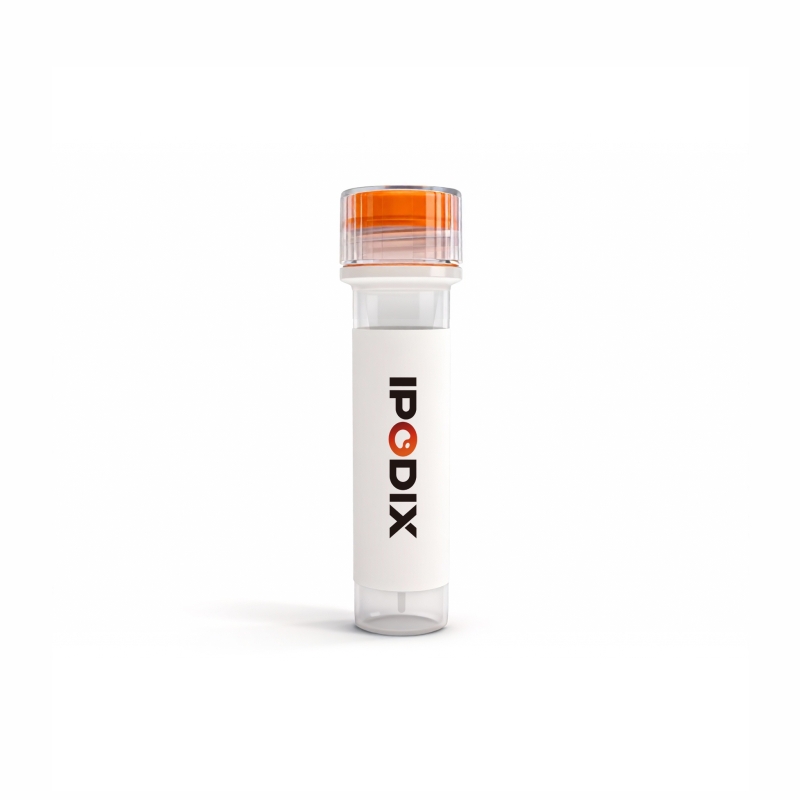
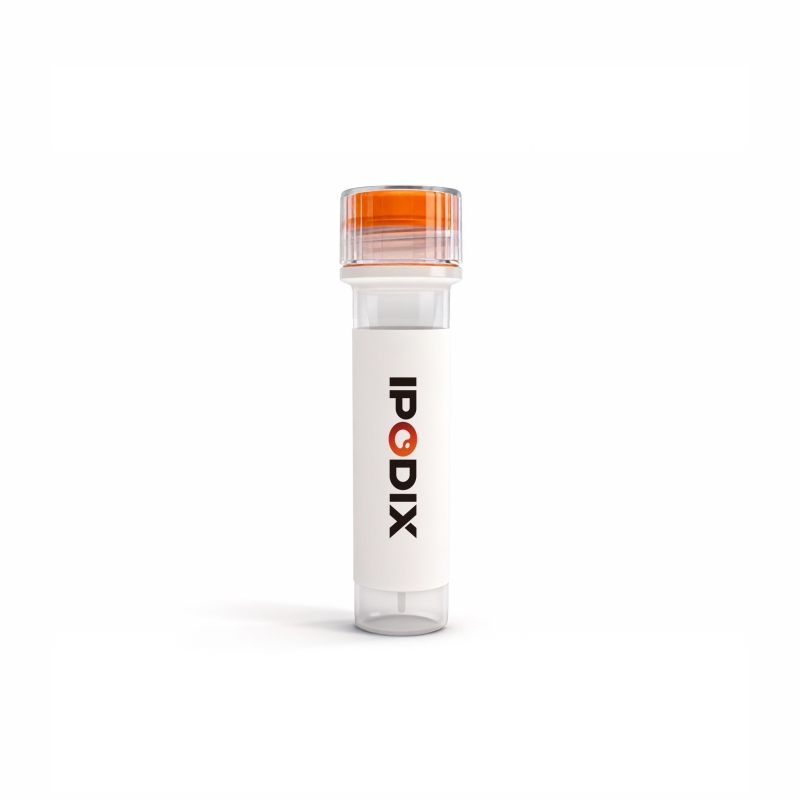
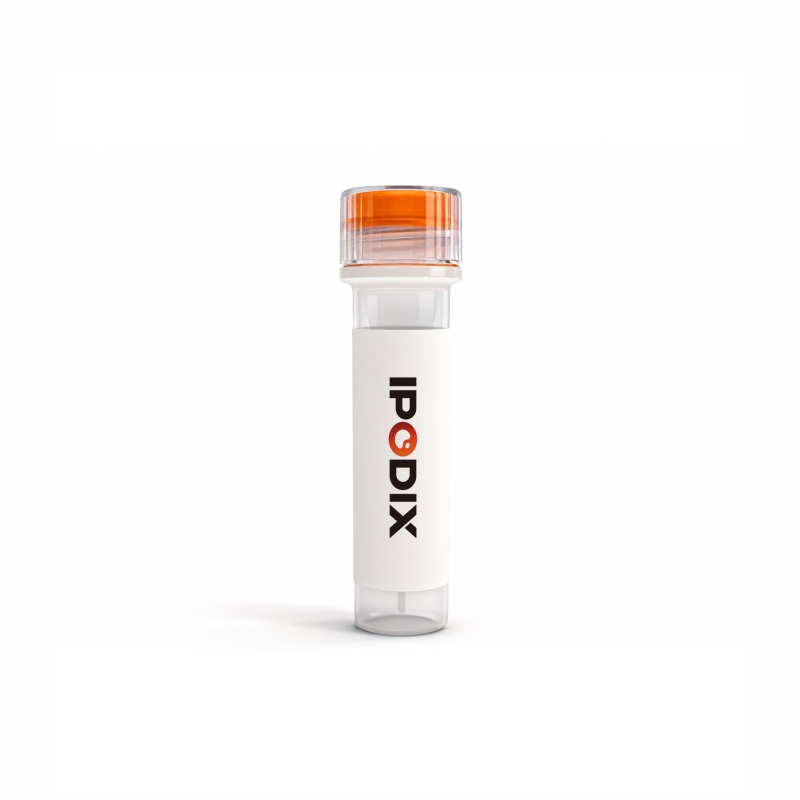
Protein Description
FITC-labeled TPBG/5T4 recombinant protein has garnered significant attention in cancer research due to its potential role in targeting tumors. 5T4 is a tumor-associated glycoprotein typically overexpressed in various malignancies, including solid tumors, making it a promising candidate for targeted therapy and diagnostics. TPBG, or trophoblast-derived protein, is known for its involvement in immune evasion in the tumor microenvironment. By labeling TPBG/5T4 recombinant proteins with fluorescein isothiocyanate (FITC), researchers can track their distribution and interactions in biological systems through fluorescence microscopy and flow cytometry. This approach facilitates the study of TPBG/5T4 interactions with immune cells and tumor tissues, helping to elucidate their roles in cancer progression and immunology. The use of FITC not only enhances the visualization of protein localization but also allows for quantitative analysis of receptor binding and cellular uptake, thereby contributing to the development of targeted therapies and diagnostic tools. Understanding the signaling pathways influenced by TPBG/5T4 may yield insights into novel therapeutic strategies aimed at inhibiting tumor growth and improving patient outcomes. This research underscores the importance of identifying specific tumor markers and exploring innovative methods for cancer treatment, paving the way for more effective and personalized approaches in oncology.







