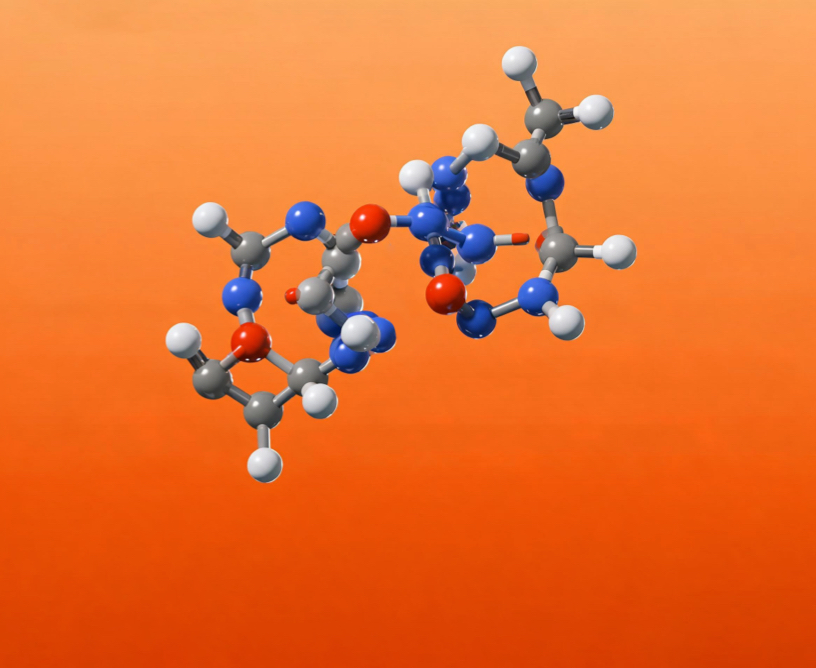
Analytical Data
-
Gene name
HLA-A*02:01&B2M&HBV(FLLTRILTI) Monomer
- Application
-
Alternative Names
hepatitis B virus
-
Species
Human
-
Source
HEK293
-
Tag
C-Avi;C-8*His
-
Purity
Greater than 90% as determined by SDS-PAGE.
-
Uniprot
A0A140T913 (G25-T305)&P61769
-
Expression Region
A0A140T913 (G25-T305)&P61769 (I21-M119)&FLLTRILTI
-
Molecular Weight
52-62 kDa
-
Endotoxin
< 1.0 EU per μg protein as determined by the LAL method.
-
Form
Freeze-dried powder
-
Buffer formulation
PBS, pH7.4, containing 0.01% SKL, 1mM DTT, 5% Trehalose and Proclin300.
-
Reconstitution
Reconstitute in ddH2O to a concentration of 0.1-0.5 mg/mL. Do not vortex.
- Customization
-
Stability Test
The thermal stability is described by the loss rate. The loss rate was determined by accelerated thermal degradation test, that is, incubate the protein at 37℃ for 48h, and no obvious degradation and precipitation were observed. The loss rate isless than 8% within the expiration date under appropriate storage condition.
-
Storage & Shelf Life
Samples are stable for up to twelve months from date of receipt at -20℃ to -80℃. Store it under sterile conditions at -20℃ to -80℃. It is recommended that the protein be aliquoted for optimal storage. Avoid repeated freeze-thaw cycles.
-
Shipping
In general, recombinant proteins are supplied as lyophilized powder and shipped at ambient temperature. For bulk packages, the proteins are provided as frozen liquid and shipped with blue ice, unless otherwise requested by the customer.
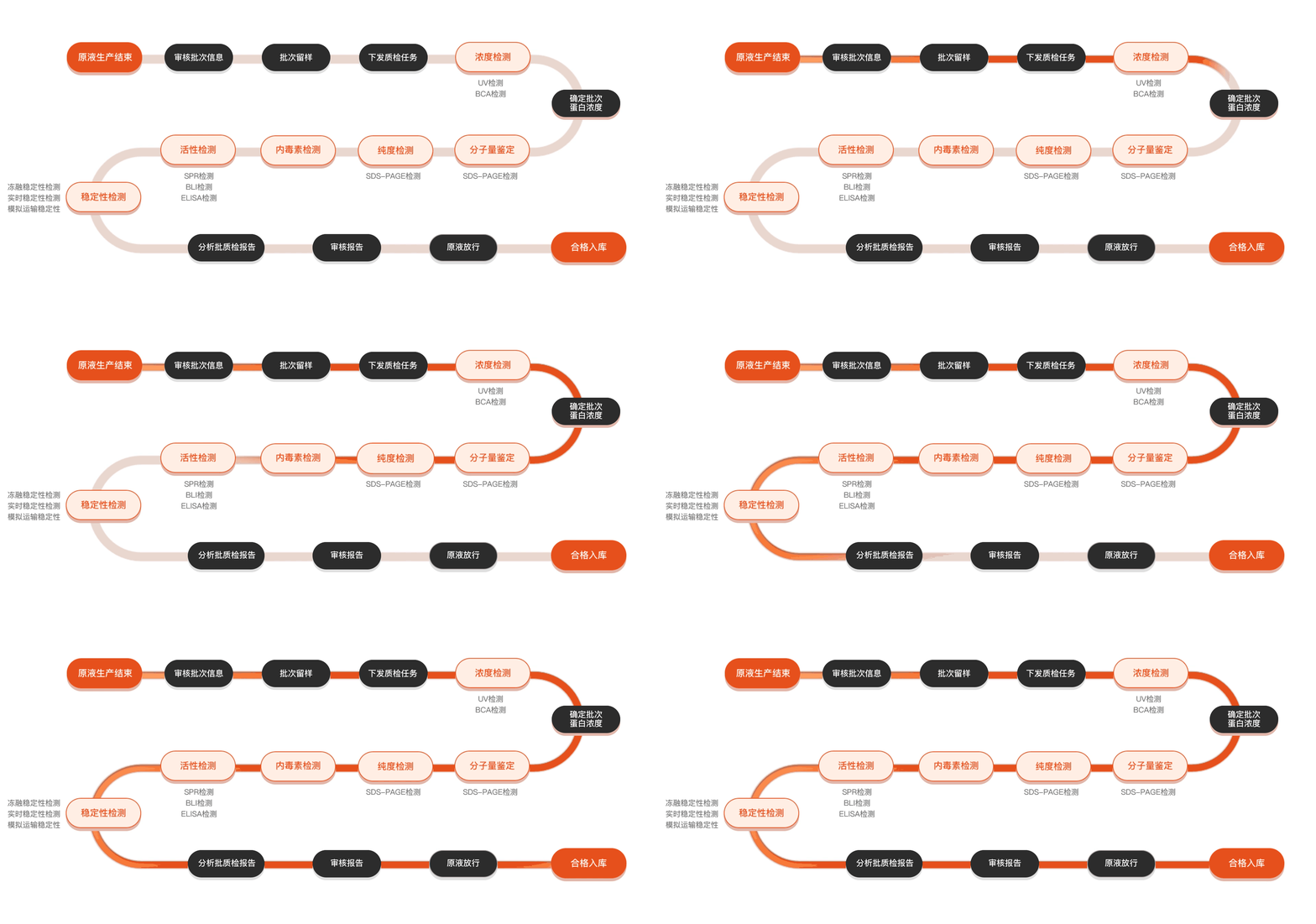
Quality inspection process
Related Products
Protein Description
The HLA-A*02:01/B2M/HBV (FLLTRILTI) monomer is a critical focus of research in the field of immunology and infectious diseases, particularly concerning Hepatitis B virus (HBV). HLA-A*02:01 is one of the most common human leukocyte antigen (HLA) class I molecules, playing a vital role in the immune response by presenting peptides derived from intracellular proteins to CD8+ T cells. The HBV peptide FLLTRILTI, derived from the HBV surface protein, is notorious for its immunogenic properties, making it a prime candidate for therapeutic vaccination strategies. Researchers are investigating the structural and functional characteristics of the HLA-A*02:01/B2M/HBV monomer to better understand how it presents viral antigens and how it can be exploited for vaccine development or T-cell-based therapies for chronic HBV infection. This research aims to improve the management and treatment outcomes for patients, as chronic HBV infection can lead to severe complications, including liver cirrhosis and hepatocellular carcinoma. By elucidating the interaction dynamics between the HLA molecule and the HBV peptide, scientists hope to identify potential targets for immunotherapy, thereby contributing to the development of innovative strategies to combat HBV-related diseases.