Analytical Data
-
Gene name
a1ACT
- Application
-
Alternative Names
a1ACT;
-
Species
Human
-
Source
E. coli
-
Tag
His tag N-Terminus
-
Purity
Greater than 90% as determined by SDS-PAGE.
-
Uniprot
P01011
-
Expression Region
23-423aa
-
AA Sequence
CHPNSPLDEENLTQENQDRGTHVDLGLASANVDFAFSLYKQLVLKAPDKN VIFSPLSISTALAFLSLGAHNTTLTEILKGLKFNLTETSEAEIHQSFQHL LRTLNQSSDELQLSMGNAMFVKEQLSLLDRFTEDAKRLYGSEAFATDFQD SAAAKKLINDYVKNGTRGKITDLIKDLDSQTMMVLVNYIFFKAKWEMPFD PQDTHQSRFYLSKKKWVMVPMMSLHHLTIPYFRDEELSCTVVELKYTGNA SALFILPDQDKMEEVEAMLLPETLKRWRDSLEFREIGELYLPKFSISRDY N LNDILLQLGIEEAFTSKADLSGITGARNLAVSQVVHKAVLDVFEEGT EASAATAVKITLLSALVETRTIVRFNRPFLMIIVPTDTQNIFFMSKVTNP KQA
-
Molecular Weight
23 kDa
-
Endotoxin
< 1.0 EU per μg protein as determined by the LAL method.
-
Form
Freeze-dried powder
-
Buffer formulation
PBS, pH7.4, containing 0.01% SKL, 1mM DTT, 5% Trehalose and Proclin300.
-
Reconstitution
Reconstitute in ddH2O to a concentration of 0.1-0.5 mg/mL. Do not vortex.
- Customization
-
Stability Test
The thermal stability is described by the loss rate. The loss rate was determined by accelerated thermal degradation test, that is, incubate the protein at 37℃ for 48h, and no obvious degradation and precipitation were observed. The loss rate isless than 8% within the expiration date under appropriate storage condition.
-
Storage & Shelf Life
Samples are stable for up to twelve months from date of receipt at -20℃ to -80℃. Store it under sterile conditions at -20℃ to -80℃. It is recommended that the protein be aliquoted for optimal storage. Avoid repeated freeze-thaw cycles.
-
Shipping
In general, recombinant proteins are supplied as lyophilized powder and shipped at ambient temperature. For bulk packages, the proteins are provided as frozen liquid and shipped with blue ice, unless otherwise requested by the customer.
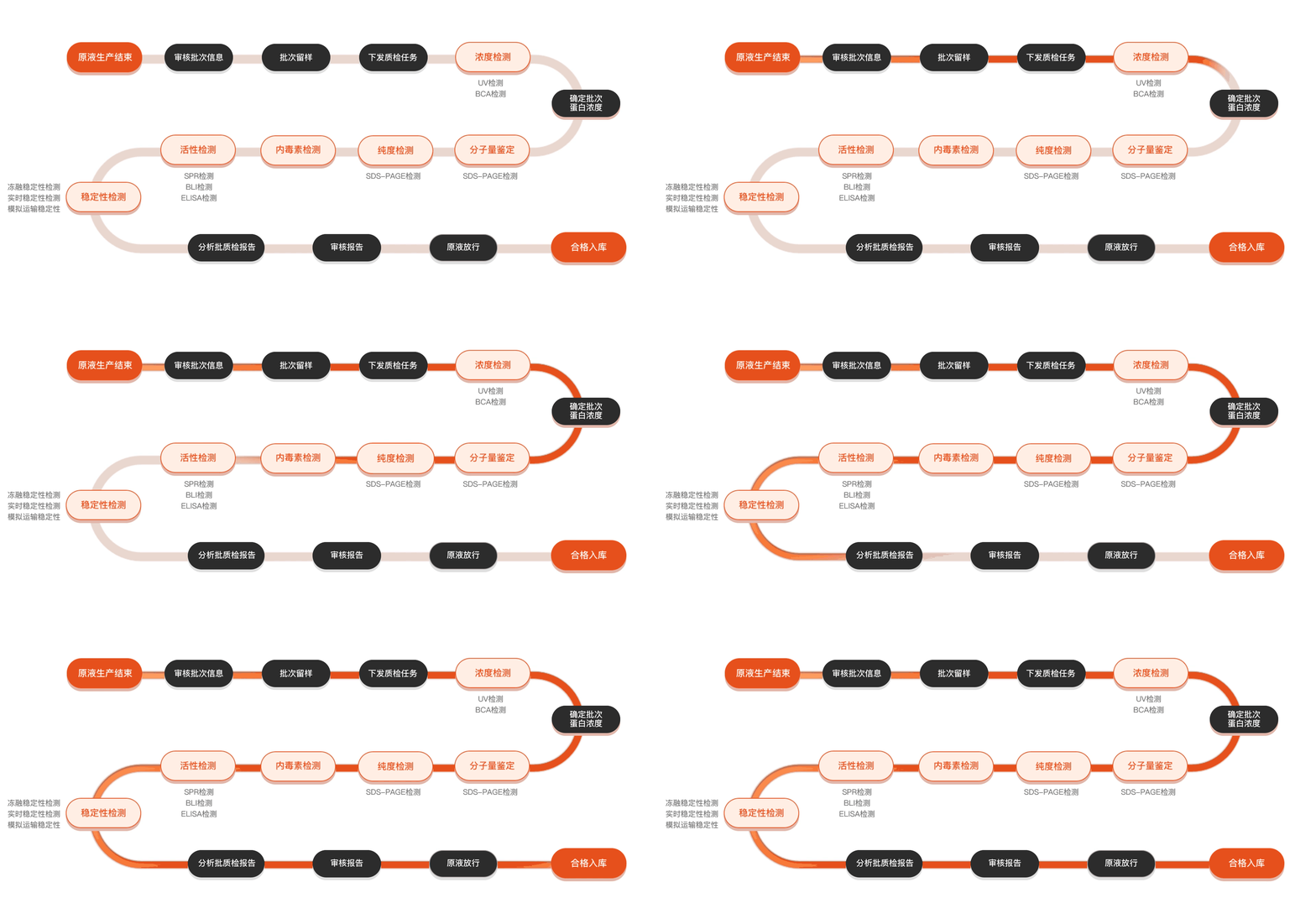
Quality inspection process
Related Products
Protein Description
The A1ACT protein, which stands for Alpha-1 Antitrypsin, plays a crucial role in the body's defense against proteolytic enzymes, particularly in the lungs and liver. Deficiencies or mutations in the SERPINA1 gene, which encodes for A1ACT, can lead to a range of health issues, including chronic obstructive pulmonary disease (COPD) and liver disease. Research into the recombinant form of A1ACT focuses on its therapeutic potential, particularly for individuals with A1AT deficiency. By producing A1ACT through recombinant DNA technology, scientists aim to create a more stable and effective treatment option that can replenish the deficient protein levels in affected individuals. This approach not only enhances the understanding of A1ACT's physiological functions but also paves the way for developing novel therapies that can mitigate the complications arising from its deficiency. Advances in purification techniques and the understanding of the protein's structure-function relationships further support the innovation of A1ACT-based treatments, emphasizing the importance of ongoing research in the field of protein biology and therapeutic development.