Analytical Data
-
Gene name
SYNC
- Application
-
Alternative Names
SYNC;SYNC1;Syncoilin
-
Species
Human
-
Source
E. coli
-
Tag
His tag N-Terminus
-
Purity
Greater than 90% as determined by SDS-PAGE.
-
Uniprot
Q9H7C4
-
Expression Region
1-482aa
-
AA Sequence
MASPEPRRGG DGAAQAARKT RVEANSPLPK NSGSLNEAEA LNPEVTLSSE GSLNLEDILY LEDTGDLDET LYVQETEKAE EALYIEEAMQ PDEALHVEEP GNPEETVCVE ETTEPDRIQF VEGPVEPGKP TSPEHVVYEG ETVTRAEKSN PEESLRAEQS PSMEENLSIE DLELLEGRFQ QCVQAVAQLE EERDQLIHEL VLLREPALQE VQQVHQDILA AYKLHAQAEL ERDGLREEIR LVKQKLFKVT KECVAYQYQL ECRQQDVAQF ADFREVLTTR ATQLSEELAQ LRDAYQKQKE QLRQQLEAPP SQRDGHFLQE SRRLSAQFEN LMAESRQDLE EEYEPQFLRL LERKEAGTKA LQRTQAEIQE MKEALRPLQA EARQLRLQNR NLEDQIALVR QKRDEEVQQY REQLEEMEER QRQLRNGVQL QQQKNKEMEQ LRLSLAEELS TYKAMLLPKS LEQADAPTSQ AGGMETQSQG AV
-
Endotoxin
< 1.0 EU per μg protein as determined by the LAL method.
-
Form
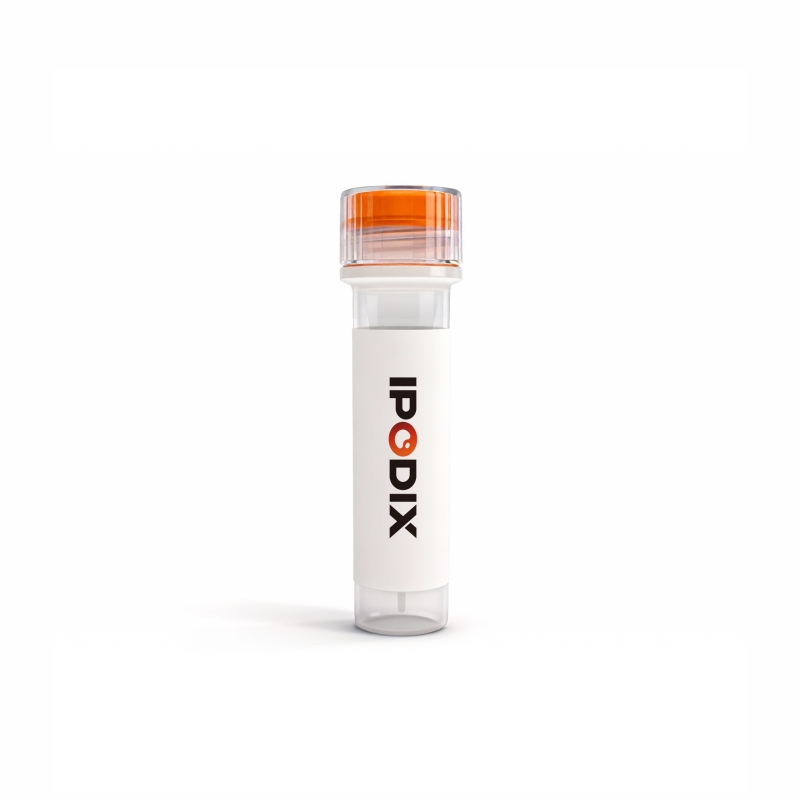
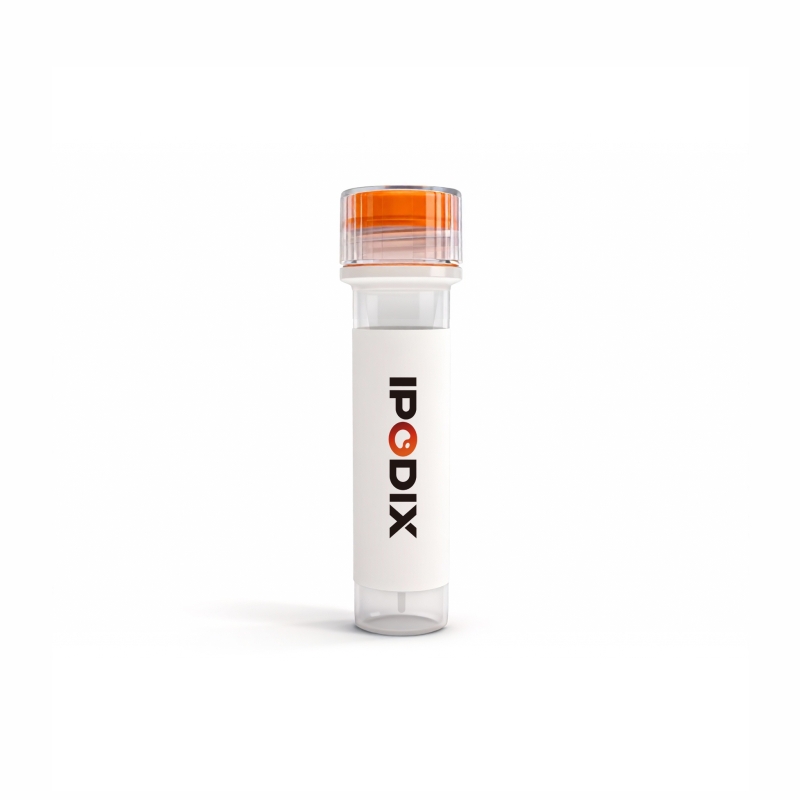
Freeze-dried powder
-
Buffer formulation
PBS, pH7.4, containing 0.01% SKL, 1mM DTT, 5% Trehalose and Proclin300.
-
Reconstitution
Reconstitute in ddH2O to a concentration of 0.1-0.5 mg/mL. Do not vortex.
- Customization
-
Stability Test
The thermal stability is described by the loss rate. The loss rate was determined by accelerated thermal degradation test, that is, incubate the protein at 37℃ for 48h, and no obvious degradation and precipitation were observed. The loss rate isless than 8% within the expiration date under appropriate storage condition.
-
Storage & Shelf Life
Samples are stable for up to twelve months from date of receipt at -20℃ to -80℃. Store it under sterile conditions at -20℃ to -80℃. It is recommended that the protein be aliquoted for optimal storage. Avoid repeated freeze-thaw cycles.
-
Shipping
In general, recombinant proteins are supplied as lyophilized powder and shipped at ambient temperature. For bulk packages, the proteins are provided as frozen liquid and shipped with blue ice, unless otherwise requested by the customer.
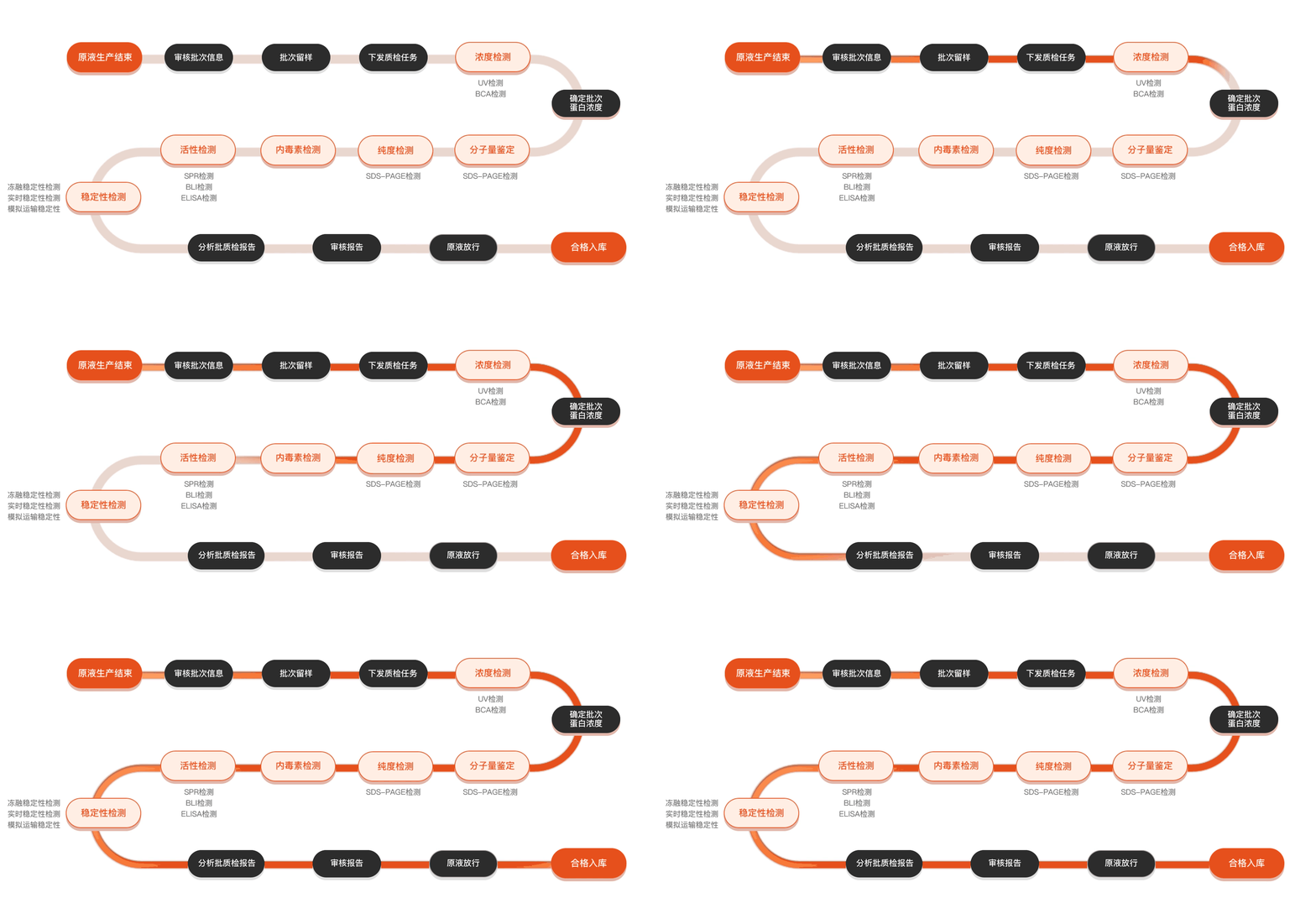
Quality inspection process
Related Products
Protein Description
SYNC (Synapsin) proteins are a family of neuronal phosphoproteins implicated in the regulation of synaptic transmission and neurotransmitter release. The study of SYNC proteins is rooted in their essential role in the organization and clustering of synaptic vesicles at presynaptic terminals, making them critical for efficient communication between neurons. Research has shown that SYNC proteins interact with various proteins, including actin, thus participating in cytoskeletal dynamics and vesicle trafficking. Dysregulation of SYNC protein functions has been linked to several neuropsychiatric disorders, such as autism spectrum disorders, bipolar disorder, and schizophrenia, highlighting their importance in underlying neurobiological mechanisms. Additionally, the phosphorylation state of SYNC proteins is essential for their activity, suggesting that signaling pathways affecting phosphorylation can modulate synaptic function. Recent advancements in techniques like cryo-electron microscopy and super-resolution imaging have facilitated a deeper understanding of the molecular architecture of synapses and the specific roles of SYNC proteins within these complexes. Ongoing research aims to elucidate the precise mechanisms by which SYNC proteins contribute to synaptic plasticity, learning, and memory, as well as their potential as therapeutic targets for neurodevelopmental and neurodegenerative disorders. Overall, the exploration of SYNC proteins provides valuable insights into synaptic biology and holds promise for developing novel strategies for managing brain-related conditions.