

Analytical Data
-
Gene name
CD131
-
简介
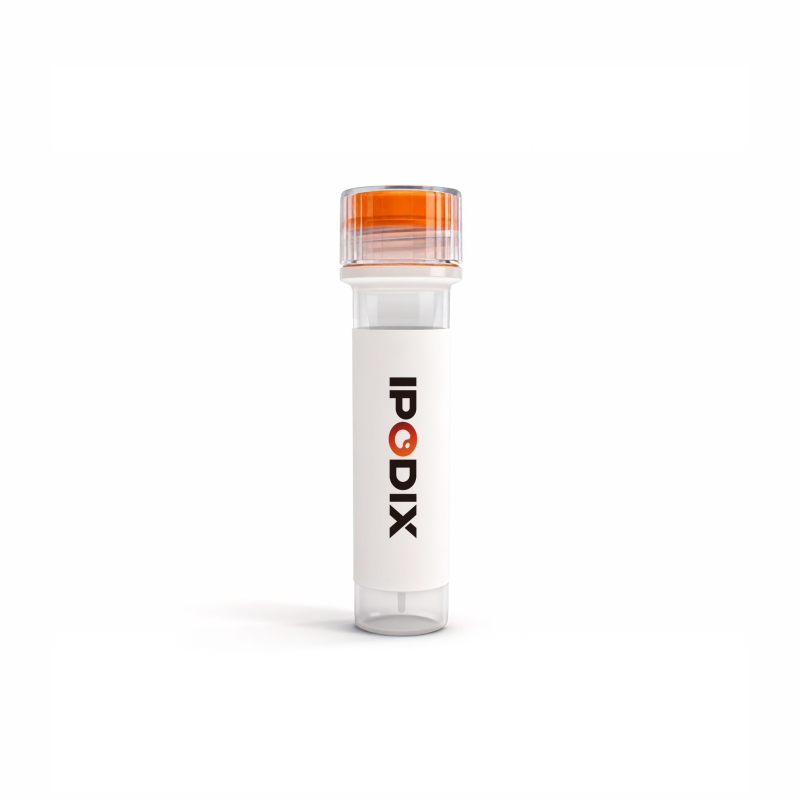
The EPOR Protein functions as a receptor for erythropoietin, mediating erythroblast proliferation and differentiation upon EPO stimulation. The heterodimer triggers the JAK2/STAT5 signaling cascade and, in certain cell types, activates STAT1, STAT3, and the LYN tyrosine kinase. Additionally, isoform EPOR-T acts as a dominant-negative receptor, modulating EPOR-mediated signaling pathways. EPOR-CD131 Heterodimer Protein, Human (HEK293, Fc) is a recombinant protein dimer complex containing human-derived EPOR-CD131 Heterodimer protein, expressed by HEK293 , with C-hFc labeled tag. EPOR-CD131 Heterodimer Protein, Human (HEK293, Fc), has molecular weight of ~110-130 kDa.
- Application
-
Biological Activity
Measured by its binding ability in a functional ELISA. Immobilized Human EPOR at 2μg/mL (100μL/well) can bind biotinylated EPO. The ED50 for this effect is 44.91ng/mL. Measured by its binding ability in a functional ELISA. Immobilized Human EPOR at 2 μg/mL (100 μL/well) can bind biotinylated EPO. The ED50 for this effect is 44.91 ng/mL.
-
Alternative Names
EpoR; EPO-R; Erythropoietin R; Erythropoietin receptor
-
Species
Human
-
Source
HEK293
-
Tag
C-hFc
-
Purity
Greater than 95% as determined by reducing SDS-PAGE.
-
Uniprot
P19235 (A25-P250)&P32927
-
Expression Region
P19235 (A25-P250)&P32927 (W17-W443)
-
AA Sequence
MDHLGASLWPQVGSLCLLLAGAAWAPPPNLPDPKFESKAALLAARGPEELLCFTERLEDLVCFWEEAASAGVGPGNYSFSYQLEDEPWKLCRLHQAPTARGAVRFWCSLPTADTSSFVPLELRVTAASGAPRYHRVIHINEVVLLDAPVGLVARLADESGHVVLRWLPPPETPMTSHIRYEVDVSAGNGAGSVQRVEILEGRTECVLSNLRGRTRYTFAVRARMAEPSFGGFWSAWSEPVSLLTPSDLDP&WERSLAGAEETIPLQTLRCYNDYTSHITCRWADTQDAQRLVNVTLIRRVNEDLLEPVSCDLSDDMPWSACPHPRCVPRRCVIPCQSFVVTDVDYFSFQPDRPLGTRLTVTLTQHVQPPEPRDLQISTDQDHFLLTWSVALGSPQSHWLSPGDLEFEVVYKRLQDSWEDAAILLSNTSQATLGPEHLMPSSTYVARVRTRLAPGSRLSGRPSKWSPEVCWDSQPGDEAQPQNLECFFDGAAVLSCSWEVRKEVASSVSFGLFYKPSPDAGEEECSPVLREGLGSLHTRHHCQIPVPDPATHGQYIVSVQPRRAEKHIKSSVNIQMAPPSLNVTKDGDSYSLRWETMKMRYEHIDHTFEIQYRKDTATWKDSKTETLQNAHSMALPALEPSTRYWARVRVRTSRTGYNGIWSEWSEARSWDTESVLPMW
-
Molecular Weight
110-130 kDa
-
Endotoxin
< 1.0 EU per μg protein as determined by the LAL method.
-
Form
Freeze-dried powder
-
Buffer formulation
PBS, pH7.4, containing 0.01% SKL, 1mM DTT, 5% Trehalose and Proclin300.
-
Reconstitution
Reconstitute in ddH2O to a concentration of 0.1-0.5 mg/mL. Do not vortex.
- Customization
-
Stability Test
The thermal stability is described by the loss rate. The loss rate was determined by accelerated thermal degradation test, that is, incubate the protein at 37℃ for 48h, and no obvious degradation and precipitation were observed. The loss rate isless than 8% within the expiration date under appropriate storage condition.
-
Storage & Shelf Life
Samples are stable for up to twelve months from date of receipt at -20℃ to -80℃. Store it under sterile conditions at -20℃ to -80℃. It is recommended that the protein be aliquoted for optimal storage. Avoid repeated freeze-thaw cycles.
-
Shipping
In general, recombinant proteins are supplied as lyophilized powder and shipped at ambient temperature. For bulk packages, the proteins are provided as frozen liquid and shipped with blue ice, unless otherwise requested by the customer.
Quality inspection process

Related Products
Protein Description
CD131, also known as the common beta chain (CD131), is a crucial component of the receptor complex for several cytokines, including interleukin-3 (IL-3), IL-5, and granulocyte-macrophage colony-stimulating factor (GM-CSF). These cytokines play significant roles in hematopoiesis, cellular differentiation, and immune responses. The study of CD131 recombinant proteins has gained attention due to their potential applications in therapeutic interventions for various diseases, including hematological disorders, immune system dysfunctions, and inflammatory conditions. Variations or mutations in CD131 can lead to altered signaling pathways, contributing to diseases such as asthma and chronic granulomatous disease. Understanding the structure and function of CD131 through recombinant proteins can provide insights into its role in cell signaling and immune regulation. Moreover, such research can facilitate the development of novel therapeutic agents that target CD131 or its associated pathways, offering new avenues for treating diseases linked to cytokine signaling dysregulation. The evaluation of CD131 recombinant proteins also enhances our understanding of receptor interactions and the mechanisms underlying cytokine-mediated cellular responses, paving the way for improved treatments in immunotherapy and regenerative medicine. Overall, the investigation of CD131 and its recombinant forms represents a promising field with significant implications for enhancing our understanding of immune kinetics and developing targeted therapies.







