Analytical Data
-
基因名
factor
- Application
-
别名
FGF
-
种属
Gorilla gorilla gorilla
-
表达系统
E. coli
-
标签
N- His
-
纯度
Greater than 90% as determined by SDS-PAGE.
-
蛋白编号
G3QFY8
-
表达区间
29-209aa
-
分子量
22.2 kDa
-
内毒素
< 1.0 EU per μg protein as determined by the LAL method.
-
性状
Freeze-dried powder
-
缓冲液
PBS, pH7.4, containing 0.01% SKL, 1mM DTT, 5% Trehalose and Proclin300.
-
复溶方法
Reconstitute in ddH2O to a concentration of 0.1-0.5 mg/mL. Do not vortex.
- 个性化定制
-
稳定性测试
The thermal stability is described by the loss rate. The loss rate was determined by accelerated thermal degradation test, that is, incubate the protein at 37℃ for 48h, and no obvious degradation and precipitation were observed. The loss rate isless than 8% within the expiration date under appropriate storage condition.
-
保存条件 & 期限
Samples are stable for up to twelve months from date of receipt at -20℃ to -80℃. Store it under sterile conditions at -20℃ to -80℃. It is recommended that the protein be aliquoted for optimal storage. Avoid repeated freeze-thaw cycles.
-
运输条件
In general, recombinant proteins are supplied as lyophilized powder and shipped at ambient temperature. For bulk packages, the proteins are provided as frozen liquid and shipped with blue ice, unless otherwise requested by the customer.
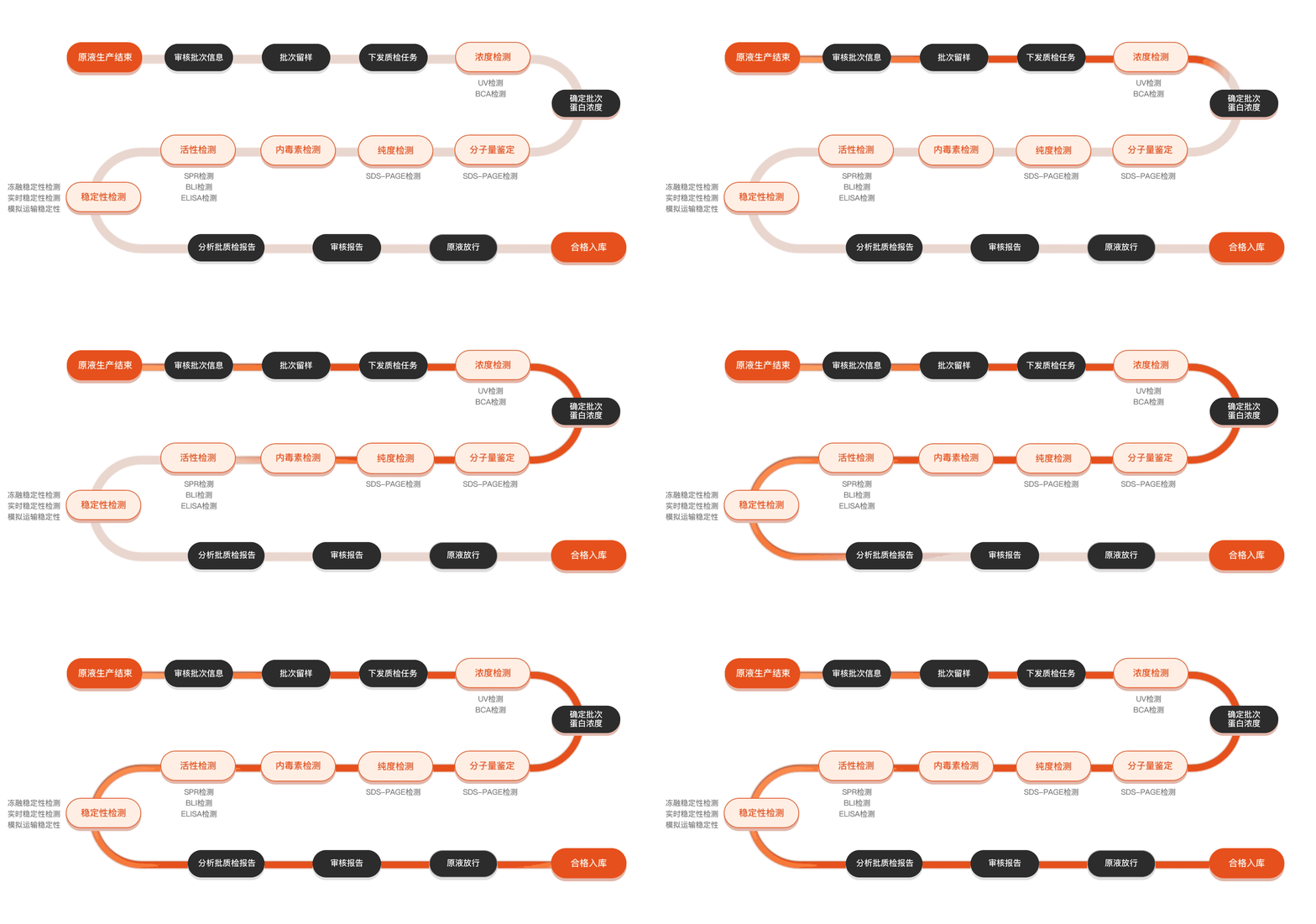
Quality inspection process
Related Products
Protein Description
Recombinant factor proteins have become a pivotal focus in biomedical research and therapeutic development, particularly in the fields of hemostasis and genetic disorders. Historically, deficiencies in coagulation factors, such as Factor VIII and Factor IX, lead to bleeding disorders like hemophilia, which severely affects patient quality of life. Traditional treatments relied on human-derived factor concentrates, which posed risks of viral transmission and immunogenicity. The advent of recombinant DNA technology revolutionized the production of these clotting factors, allowing for safer and more consistent therapeutic options. By utilizing genetically engineered host cells—commonly Chinese Hamster Ovary (CHO) cells or yeast—scientists are capable of producing highly purified, biologically active factor proteins that not only reduce the risk of contamination but also enable the design of bioengineered variants with improved efficacy and extended half-life. Recent advancements in protein engineering and gene therapy further enhance the potential of recombinant factors, offering new avenues for treatment and management of bleeding disorders. As research continues to evolve, the focus is also shifting towards personalized medicine, aiming to tailor therapies based on individual genetic profiles, thus opening new doors in the management of coagulation disorders and potentially other complex diseases. The ongoing exploration and enhancement of recombinant factor proteins represent a significant leap forward in both understanding and treating bleeding disorders, significantly improving the lives of patients worldwide.