

Analytical Data
-
Gene name
HNRPAB
- Application
-
Alternative Names
ABBP 1; ABBP-1; ABBP1; Apobec 1 binding protein 1; APOBEC1 binding protein 1; APOBEC1-binding protein 1; Apolipoprotein B mRNA editing enzyme catalytic polypeptide 1- protein 1; FLJ40338; Heterogeneous nuclear ribonucleoprotein A/B; hnRNP A/B; hnRNP type A/B protein; HNRNPAB; HNRPAB; ROAA_HUMAN
-
Species
Human
-
Source
E. coli
-
Tag
His tag N-Terminus
-
Purity
Greater than 90% as determined by SDS-PAGE.
-
Uniprot
Q99729
-
Expression Region
1-332aa
-
AA Sequence
MSEAGEEQPM ETTGATENGH EAVPEASRGR GWTGAAAGAG GATAAPPSGN QNGAEGDQIN ASKNEEDAGK MFVGGLSWDT SKKDLKDYFT KFGEVVDCTI KMDPNTGRSR GFGFILFKDA ASVEKVLDQK EHRLDGRVID PKKAMAMKKD PVKKIFVGGL NPESPTEEKI REYFGEFGEI EAIELPMDPK LNKRRGFVFI TFKEEEPVKK VLEKKFHTVS GSKCEIKVAQ PKEVYQQQQY GSGGRGNRNR GNRGSGGGGG GGGQSQSWNQ GYGNYWNQGY GYQQGYGPGY GGYDYSPYGY YGYGPGYDYS QGSTNYGKSQ RRGGHQNNYK PY
-
Molecular Weight
36.2 kDa
-
Endotoxin
< 1.0 EU per μg protein as determined by the LAL method.
-
Form
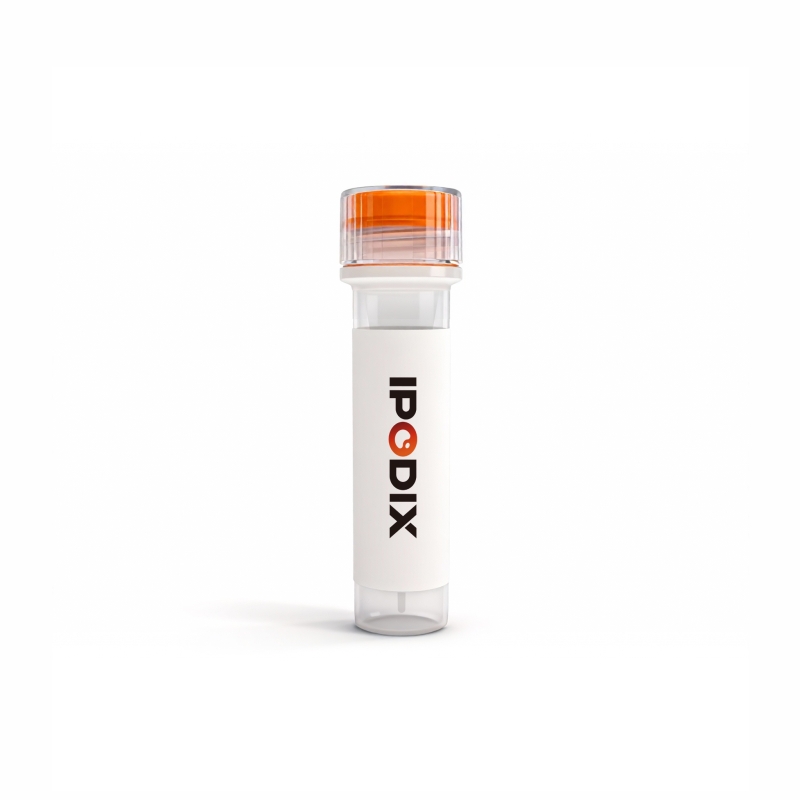
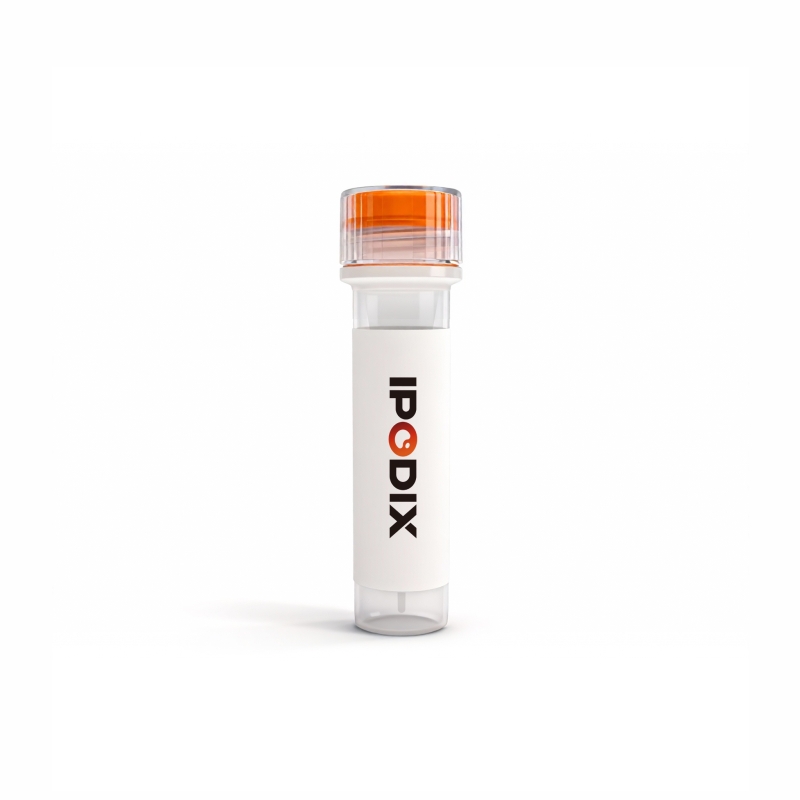
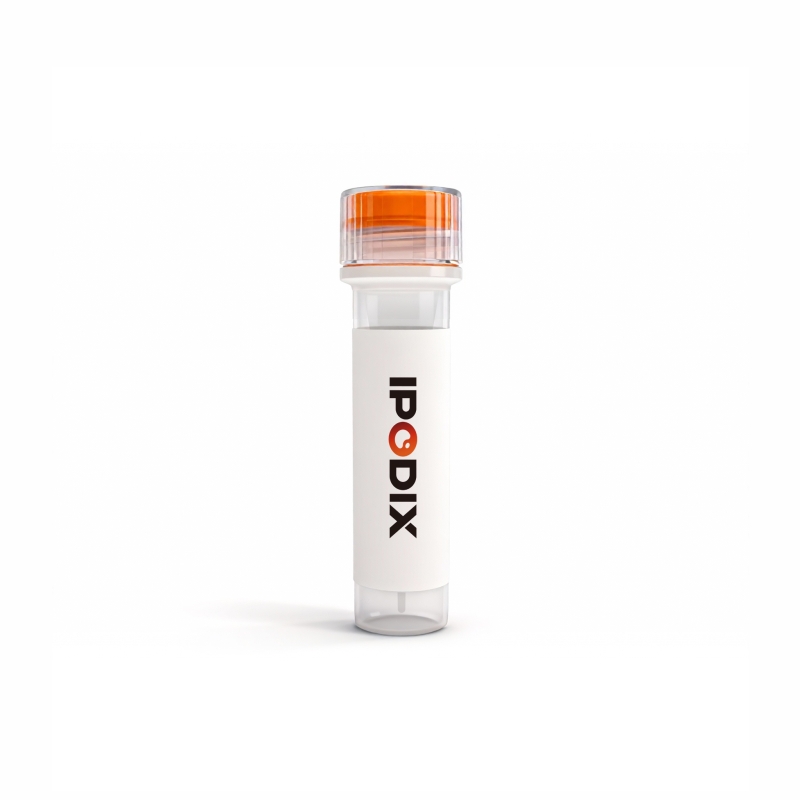
Freeze-dried powder
-
Buffer formulation
PBS, pH7.4, containing 0.01% SKL, 1mM DTT, 5% Trehalose and Proclin300.
-
Reconstitution
Reconstitute in ddH2O to a concentration of 0.1-0.5 mg/mL. Do not vortex.
- Customization
-
Stability Test
The thermal stability is described by the loss rate. The loss rate was determined by accelerated thermal degradation test, that is, incubate the protein at 37℃ for 48h, and no obvious degradation and precipitation were observed. The loss rate isless than 8% within the expiration date under appropriate storage condition.
-
Storage & Shelf Life
Samples are stable for up to twelve months from date of receipt at -20℃ to -80℃. Store it under sterile conditions at -20℃ to -80℃. It is recommended that the protein be aliquoted for optimal storage. Avoid repeated freeze-thaw cycles.
-
Shipping
In general, recombinant proteins are supplied as lyophilized powder and shipped at ambient temperature. For bulk packages, the proteins are provided as frozen liquid and shipped with blue ice, unless otherwise requested by the customer.
Quality inspection process

Related Products
Protein Description
HNRPAB, or heterogeneous nuclear ribonucleoprotein A/B, is a multifunctional protein that plays a critical role in RNA metabolism, including splicing, transport, and stability of mRNA. As a part of the hnRNP family, HNRPAB interacts with pre-mRNA and various RNA species, influencing gene expression and cellular responses. Its aberrant expression has been linked to various diseases, particularly cancers, where it can contribute to the dysregulation of gene expression patterns and promote tumorigenesis. Research into recombinant HNRPAB protein aims to elucidate its specific functions, interactions, and regulatory mechanisms within the cell. By studying this protein in a controlled environment, scientists can uncover the molecular details of how HNRPAB influences RNA processing and stability. Furthermore, recombinant HNRPAB provides a platform for developing potential therapeutic interventions targeting its pathways. Understanding the roles and mechanisms of HNRPAB at a molecular level not only advances fundamental knowledge in RNA biology but also holds promise for finding strategies to combat diseases associated with its dysfunction. As such, the study of recombinant HNRPAB is vital for both basic research and potential clinical applications.







