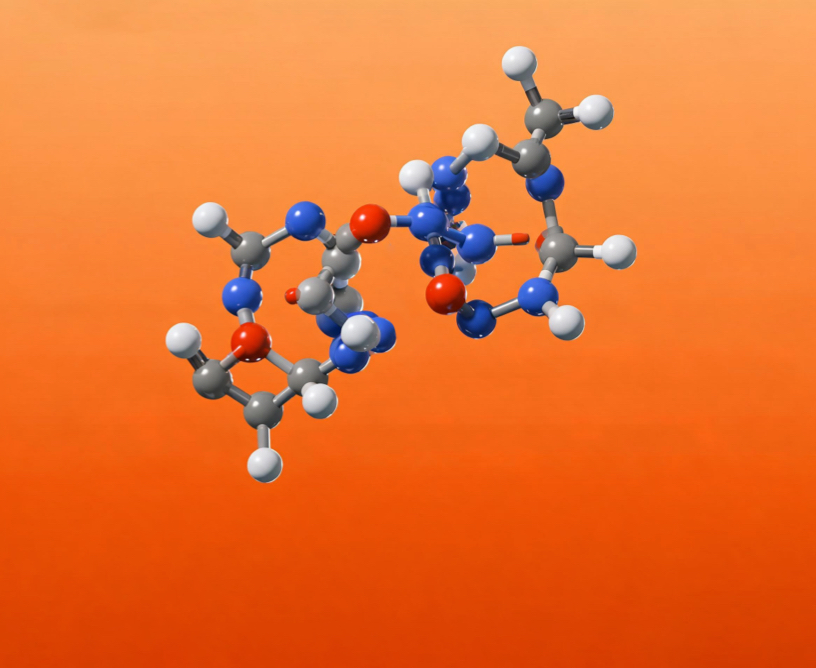
Analytical Data
-
Gene name
JUND
- Application
-
Alternative Names
Activator protein 1; AP 1; AP1; Jun D; jun D proto oncogene; Jund; JunD FL isoform; JUND_HUMAN; Transcription factor jun D; Transcription factor jun-D
-
Species
Human
-
Source
E. coli
-
Tag
His tag N-Terminus
-
Purity
Greater than 90% as determined by SDS-PAGE.
-
Uniprot
P17535
-
Expression Region
1-347aa
-
AA Sequence
METPFYGDEA LSGLGGGASG SGGSFASPGR LFPGAPPTAA AGSMMKKDAL TLSLSEQVAA ALKPAAAPPP TPLRADGAPS AAPPDGLLAS PDLGLLKLAS PELERLIIQS NGLVTTTPTS SQFLYPKVAA SEEQEFAEGF VKALEDLHKQ NQLGAGAAAA AAAAAAGGPS GTATGSAPPG ELAPAAAAPE APVYANLSSY AGGAGGAGGA ATVAFAAEPV PFPPPPPPGA LGPPRLAALK DEPQTVPDVP SFGESPPLSP IDMDTQERIK AERKRLRNRI AASKCRKRKL ERISRLEEKV KTLKSQNTEL ASTASLLREQ VAQLKQKVLS HVNSGCQLLP QHQVPAY
-
Molecular Weight
35.1 kDa
-
Endotoxin
< 1.0 EU per μg protein as determined by the LAL method.
-
Form
Freeze-dried powder
-
Buffer formulation
PBS, pH7.4, containing 0.01% SKL, 1mM DTT, 5% Trehalose and Proclin300.
-
Reconstitution
Reconstitute in ddH2O to a concentration of 0.1-0.5 mg/mL. Do not vortex.
- Customization
-
Stability Test
The thermal stability is described by the loss rate. The loss rate was determined by accelerated thermal degradation test, that is, incubate the protein at 37℃ for 48h, and no obvious degradation and precipitation were observed. The loss rate isless than 8% within the expiration date under appropriate storage condition.
-
Storage & Shelf Life
Samples are stable for up to twelve months from date of receipt at -20℃ to -80℃. Store it under sterile conditions at -20℃ to -80℃. It is recommended that the protein be aliquoted for optimal storage. Avoid repeated freeze-thaw cycles.
-
Shipping
In general, recombinant proteins are supplied as lyophilized powder and shipped at ambient temperature. For bulk packages, the proteins are provided as frozen liquid and shipped with blue ice, unless otherwise requested by the customer.
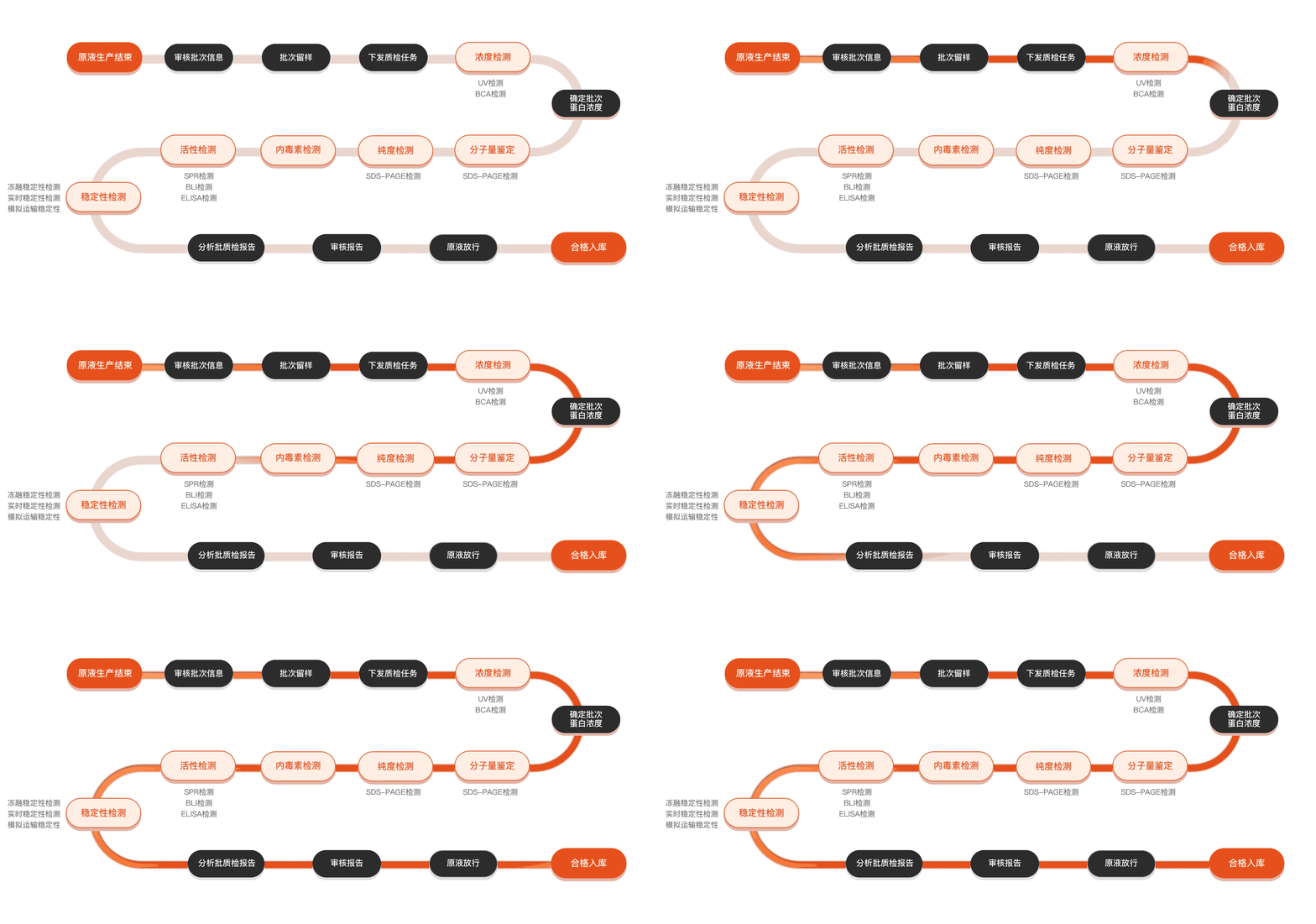
Quality inspection process
Related Products
Protein Description
The study of JUND (Jun D) recombinant protein has gained significance due to its essential role in cellular processes and its potential implications in cancer research. JUND is a member of the Jun family of transcription factors, which are crucial in regulating gene expression in response to various stimuli, including stress and growth factors. It plays a pivotal role in cellular proliferation, differentiation, and apoptosis. Aberrant expression or mutations in JUND and its regulatory pathways have been linked to tumorigenesis and cancer progression. Research has focused on characterizing JUND's structure and function to better understand its molecular mechanisms and interactions with other proteins. The generation of JUND recombinant proteins allows for detailed studies of its biochemical properties and functional assays, providing insights into its specific roles in oncogenic processes. Furthermore, investigating JUND’s interactions with other transcription factors, co-activators, and co-repressors can elucidate the complex regulatory networks governing gene expression. This research is particularly relevant for developing targeted therapies, as modulating JUND's activity could offer novel strategies to combat cancers where JUND is implicated. Overall, the exploration of JUND recombinant protein is crucial for advancing our understanding of its contributions to cellular regulation and its potential as a therapeutic target in cancer treatment.