Analytical Data
-
基因名
Glxr
- Application
-
别名
Glxr;GLXR;Glyoxylate reductase/hydroxypyruvate reductase
-
种属
Human
-
表达系统
E. coli
-
标签
His tag N-Terminus
-
纯度
Greater than 90% as determined by SDS-PAGE.
-
蛋白编号
Q9UBQ7
-
表达区间
1-328aa
-
氨基酸序列
MRPVRLMKVF VTRRIPAEGR VALARAADCE VEQWDSDEPI PAKELERGVA GAHGLLCLLS DHVDKRILDA AGANLKVIST MSVGIDHLAL DEIKKRGIRV GYTPDVLTDT TAELAVSLLL TTCRRLPEAI EEVKNGGWTS WKPLWLCGYG LTQSTVGIIG LGRIGQAIAR RLKPFGVQRF LYTGRQPRPE EAAEFQAEFV STPELAAQSD FIVVACSLTP ATEGLCNKDF FQKMKETAVF INISRGDVVN QDDLYQALAS GKIAAAGLDV TSPEPLPTNH PLLTLKNCVI LPHIGSATHR TRNTMSLLAA NNLLAGLRGE PMPSELKL
-
分子量
35.6 kDa
-
内毒素
< 1.0 EU per μg protein as determined by the LAL method.
-
性状
Freeze-dried powder
-
缓冲液
PBS, pH7.4, containing 0.01% SKL, 1mM DTT, 5% Trehalose and Proclin300.
-
复溶方法
Reconstitute in ddH2O to a concentration of 0.1-0.5 mg/mL. Do not vortex.
- 个性化定制
-
稳定性测试
The thermal stability is described by the loss rate. The loss rate was determined by accelerated thermal degradation test, that is, incubate the protein at 37℃ for 48h, and no obvious degradation and precipitation were observed. The loss rate isless than 8% within the expiration date under appropriate storage condition.
-
保存条件 & 期限
Samples are stable for up to twelve months from date of receipt at -20℃ to -80℃. Store it under sterile conditions at -20℃ to -80℃. It is recommended that the protein be aliquoted for optimal storage. Avoid repeated freeze-thaw cycles.
-
运输条件
In general, recombinant proteins are supplied as lyophilized powder and shipped at ambient temperature. For bulk packages, the proteins are provided as frozen liquid and shipped with blue ice, unless otherwise requested by the customer.
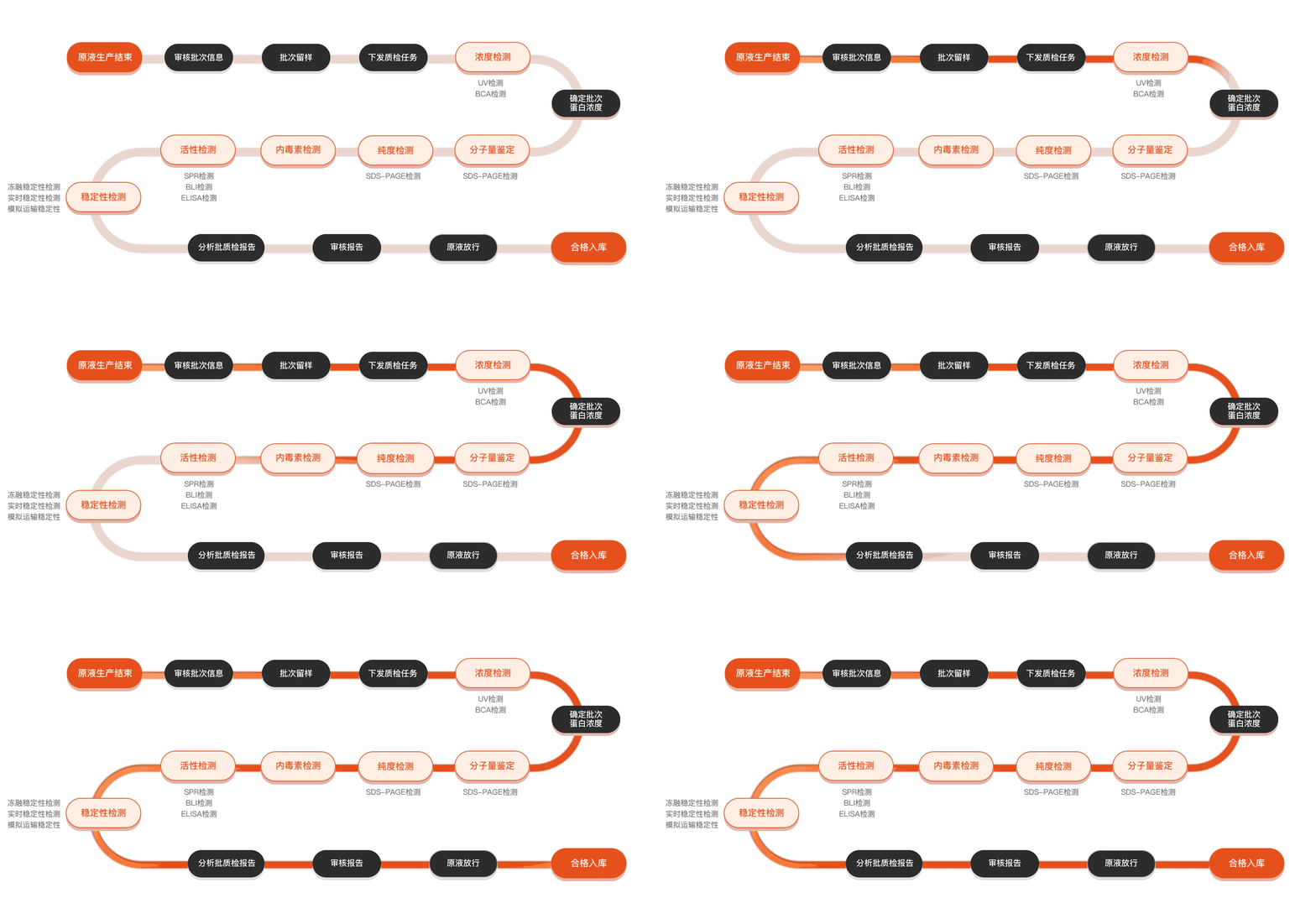
Quality inspection process
Related Products
Protein Description
GLXR (glutathione-dependent peroxidase-like protein) is a novel protein that has garnered significant attention in the field of molecular biology and biochemistry due to its potential role in oxidative stress response and cellular signaling pathways. Research indicates that GLXR, similar to glutathione peroxidases, may help in the detoxification of reactive oxygen species (ROS), which are implicated in various pathological conditions, including cancer, neurodegenerative diseases, and aging. The re-structuring of GLXR through recombinant DNA technology has enabled scientists to produce this protein in host systems, allowing for detailed studies of its structure-function relationships, enzymatic activity, and interactions with other cellular components. Understanding the molecular mechanisms by which GLXR operates could provide new insights into its physiological and pathological roles, further establishing its potential as a therapeutic target. The ongoing research aims to elucidate the regulatory mechanisms of GLXR expression and activity, along with its implications in disease contexts, paving the way for innovative approaches in disease prevention and treatment.