Analytical Data
-
基因名
gluD
- Application
-
别名
gluD;GLUD;Glutamate dehydrogenase 1. mitochondrial
-
种属
Mouse
-
表达系统
E. coli
-
标签
His tag N-Terminus
-
纯度
Greater than 90% as determined by SDS-PAGE.
-
蛋白编号
P26443
-
表达区间
54-558aa
-
氨基酸序列
SEAAADR EDDPNFFKMV EGFFDRGASI VEDKLVEDLK TRESEEQKRN RVRGILRIIK PCNHVLSLSF PIRRDDGSWE VIEGYRAQHS QHRTPCKGGI RYSTDVSVDE VKALASLMTY KCAVVDVPFG GAKAGVKINP KNYTDNELEK ITRRFTMELA KKGFIGPGID VPAPDMSTGE REMSWIADTY ASTIGHYDIN AHACVTGKPI SQGGIHGRIS ATGRGVFHGI ENFINEASYM SILGMTPGFG DKTFVVQGFG NVGLHSMRYL HRFGAKCVGV GESDGSIWNP DGIDPKELED FKLQHGSILG FPKAKVYEGS ILEADCDILI PAASEKQLTK SNAPRVKAKI IAEGANGPTT PEADKIFLER NIMVIPDLYL NAGGVTVSYF EWLKNLNHVS YGRLTFKYER DSNYHLLMSV QESLERKFGK HGGTIPVVPT AEFQDRISGA SEKDIVHSGL AYTMERSARQ IMRTAMKYNL GLDLRTAAYV NAIEKVFKVY NEAGVTFT
-
分子量
61.3 kDa
-
内毒素
< 1.0 EU per μg protein as determined by the LAL method.
-
性状
Freeze-dried powder
-
缓冲液
PBS, pH7.4, containing 0.01% SKL, 1mM DTT, 5% Trehalose and Proclin300.
-
复溶方法
Reconstitute in ddH2O to a concentration of 0.1-0.5 mg/mL. Do not vortex.
- 个性化定制
-
稳定性测试
The thermal stability is described by the loss rate. The loss rate was determined by accelerated thermal degradation test, that is, incubate the protein at 37℃ for 48h, and no obvious degradation and precipitation were observed. The loss rate isless than 8% within the expiration date under appropriate storage condition.
-
保存条件 & 期限
Samples are stable for up to twelve months from date of receipt at -20℃ to -80℃. Store it under sterile conditions at -20℃ to -80℃. It is recommended that the protein be aliquoted for optimal storage. Avoid repeated freeze-thaw cycles.
-
运输条件
In general, recombinant proteins are supplied as lyophilized powder and shipped at ambient temperature. For bulk packages, the proteins are provided as frozen liquid and shipped with blue ice, unless otherwise requested by the customer.
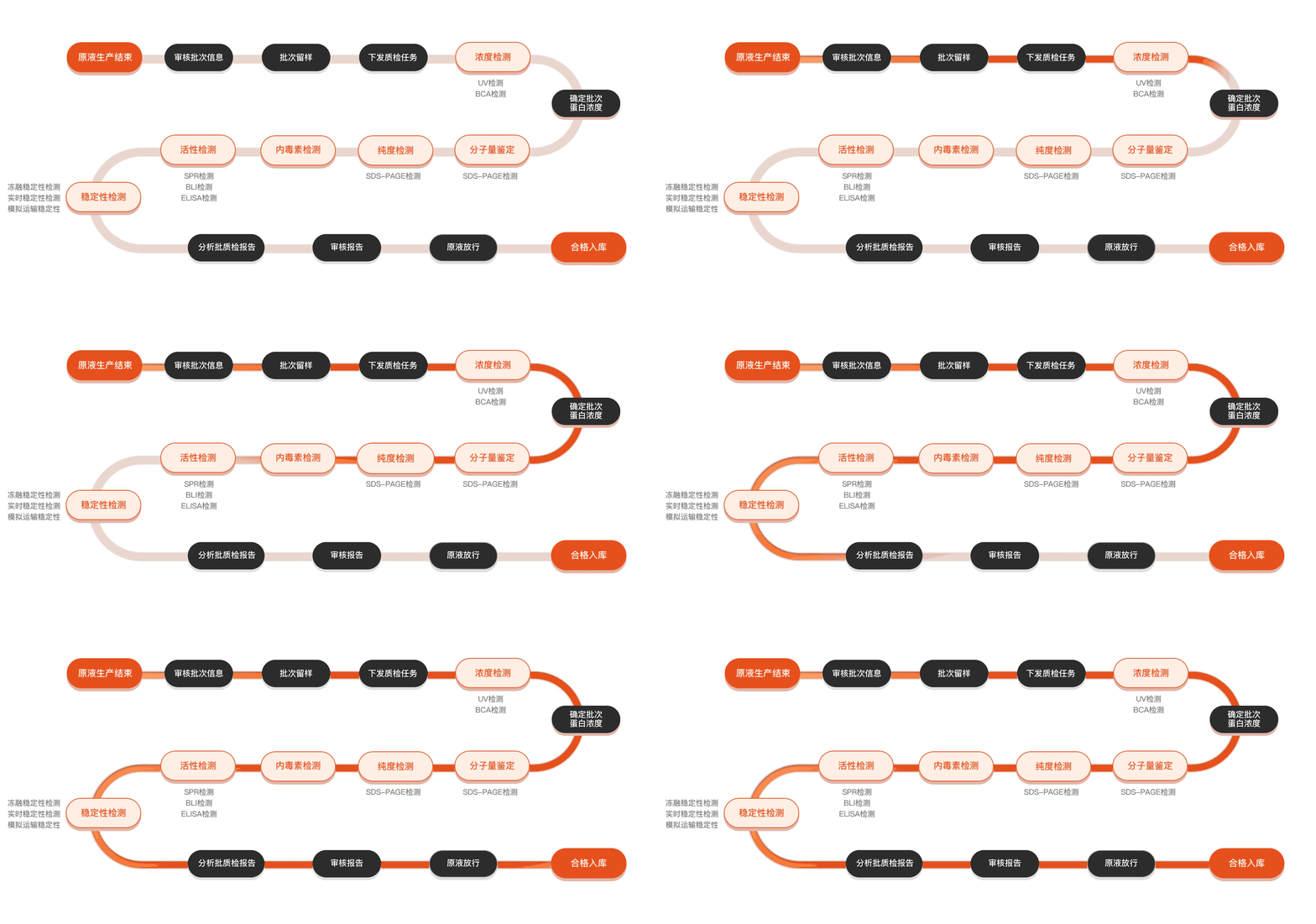
Quality inspection process
Related Products
Protein Description
GluD (Glutamate Delta Receptor) proteins are a unique class of ionotropic glutamate receptors that play crucial roles in the central nervous system by mediating excitatory neurotransmission. Unlike the classical ionotropic receptors, GluDs are primarily involved in synaptic modulation and plasticity rather than direct synaptic transmission. These receptors are characterized by their distinct structural features and their high affinity for glutamate, which allows them to participate in various neurological processes, including learning, memory, and the pathophysiology of several neuropsychiatric disorders. The study of recombinant GluD proteins has gained significant attention due to their potential implications in drug development for treating conditions such as schizophrenia, depression, and neurodegenerative diseases. Researchers aim to elucidate the specific mechanisms of GluD function and their interactions with various ligands and intracellular signaling pathways. Understanding the structural and functional properties of these receptors might provide insights into novel therapeutic strategies, highlighting the importance of GluDs in both normal brain function and disease states. As a result, extensive investigations into the production and characterization of recombinant GluD proteins are being undertaken to explore their biological roles and therapeutic potential. Such research not only advances our fundamental understanding of glutamate signaling but also paves the way for innovative approaches to address complex neurological disorders, thereby underscoring the significance of GluD proteins in neuroscience.