Analytical Data
-
基因名
BACE1 / ASP2
- Application
-
别名
BACE1 / ASP2;
-
种属
Human
-
表达系统
E. coli
-
标签
His tag N-Terminus
-
纯度
Greater than 90% as determined by SDS-PAGE.
-
蛋白编号
P56817
-
表达区间
22-460aa
-
氨基酸序列
TQHGIRLPLR SGLGGAPLGL RLPRETDEEP EEPGRRGSFV EMVDNLRGKS GQGYYVEMTV GSPPQTLNIL VDTGSSNFAV GAAPHPFLHR YYQRQLSSTY RDLRKGVYVP YTQGKWEGEL GTDLVSIPHG PNVTVRANIA AITESDKFFI NGSNWEGILG LAYAEIARPD DSLEPFFDSL VKQTHVPNLF SLQLCGAGFP LNQSEVLASV GGSMIIGGID HSLYTGSLWY TPIRREWYYE VIIVRVEING QDLKMDCKEY NYDKSIVDSG TTNLRLPKKV FEAAVKSIKA ASSTEKFPDG FWLGEQLVCW QAGTTPWNIF PVISLYLMGE VTNQSFRITI LPQQYLRPVE DVATSQDDCY KFAISQSSTG TVMGAVIMEG FYVVFDRARK RIGFAVSACH VHDEFRTAAV EGPFVTLDME DCGYNIPQTD ESTLMTIAY
-
分子量
50 kDa
-
内毒素
< 1.0 EU per μg protein as determined by the LAL method.
-
性状
Freeze-dried powder
-
缓冲液
PBS, pH7.4, containing 0.01% SKL, 1mM DTT, 5% Trehalose and Proclin300.
-
复溶方法
Reconstitute in ddH2O to a concentration of 0.1-0.5 mg/mL. Do not vortex.
- 个性化定制
-
稳定性测试
The thermal stability is described by the loss rate. The loss rate was determined by accelerated thermal degradation test, that is, incubate the protein at 37℃ for 48h, and no obvious degradation and precipitation were observed. The loss rate isless than 8% within the expiration date under appropriate storage condition.
-
保存条件 & 期限
Samples are stable for up to twelve months from date of receipt at -20℃ to -80℃. Store it under sterile conditions at -20℃ to -80℃. It is recommended that the protein be aliquoted for optimal storage. Avoid repeated freeze-thaw cycles.
-
运输条件
In general, recombinant proteins are supplied as lyophilized powder and shipped at ambient temperature. For bulk packages, the proteins are provided as frozen liquid and shipped with blue ice, unless otherwise requested by the customer.
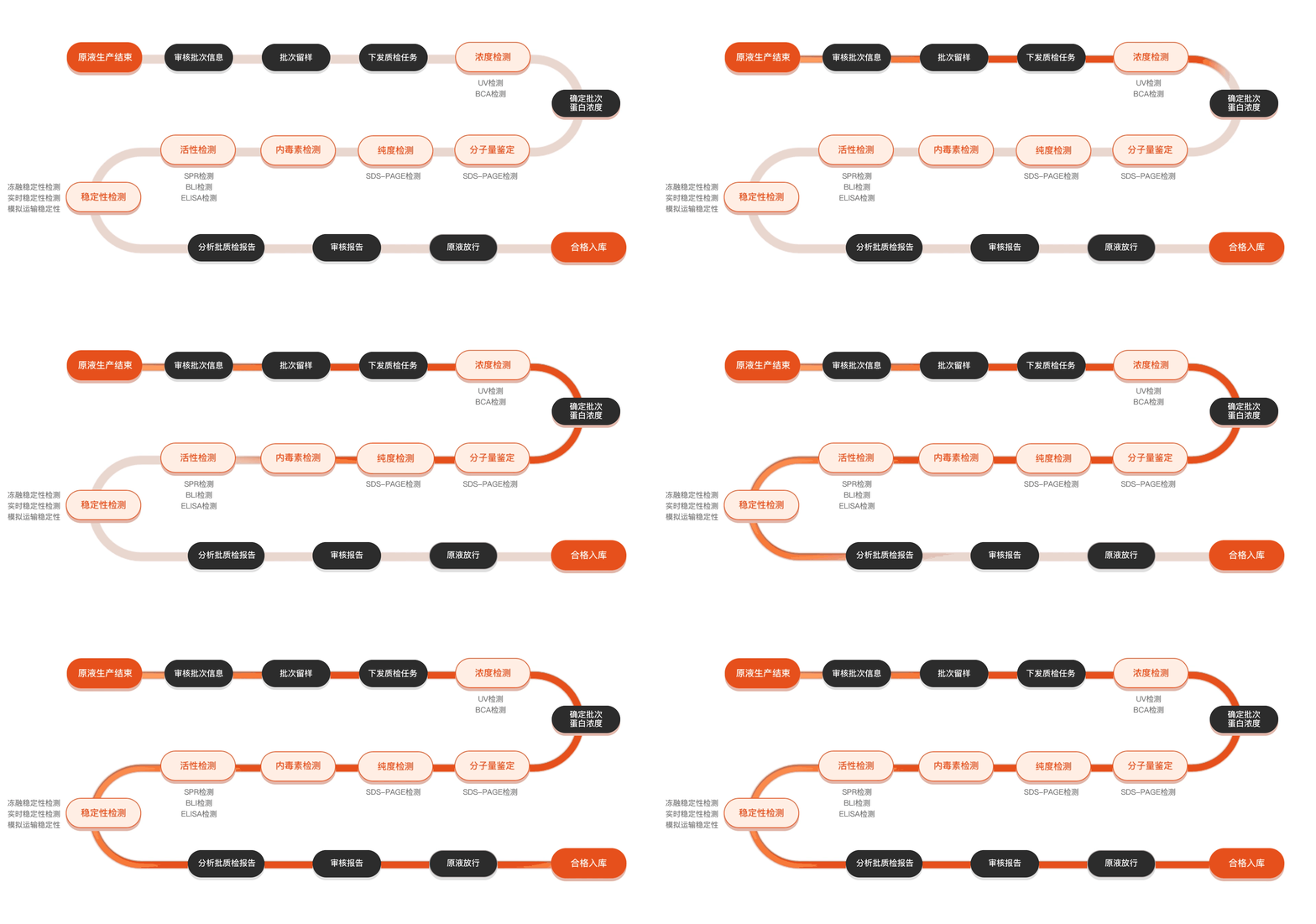
Quality inspection process
Related Products
Recombinant Human CLEC4F Protein,His
Cat:PA1000-6234
Recombinant Human CDC2L1 Protein,GST
Cat:PA2000-6579
Protein Description
BACE1, or beta-site amyloid precursor protein cleaving enzyme 1, is a crucial enzyme implicated in the pathogenesis of Alzheimer's disease (AD). It plays a pivotal role in the amyloidogenic processing of the amyloid precursor protein (APP), leading to the production of amyloid-beta (Aβ) peptides, which aggregate to form neurotoxic plaques—a hallmark of AD. Given the significance of BACE1 in AD progression, it has emerged as a prominent therapeutic target. The production of recombinant BACE1 protein, particularly mutant variants like ASP2 (Aspartate 2), is essential for elucidating its biochemical properties and enzymatic activity, allowing researchers to explore how its inhibition may prevent Aβ formation. Studies on the structure and function of BACE1, especially through the analysis of recombinant proteins, have provided insights into the enzyme's catalytic mechanisms and its interaction with substrates. Furthermore, understanding the role of ASP2 in modulating BACE1's activity could lead to innovative drug designs aimed at mitigating neurodegeneration in AD. As such, research on BACE1 and its recombinant forms continues to be a focal point in neuroscientific investigations, with the potential to significantly advance our understanding of Alzheimer’s disease and inform the development of new therapeutic strategies.