Analytical Data
-
基因名
CXorf48
- Application
-
别名
CT55; CXorf48Cancer/testis antigen 55; Tumor antigen BJ-HCC-20
-
种属
Human
-
表达系统
E. coli
-
标签
GST-tag at N-terminal
-
纯度
Greater than 90% as determined by SDS-PAGE.
-
蛋白编号
Q8WUE5
-
表达区间
1-264aa
-
氨基酸序列
MLRLLRLALA FYGRTADPAE RQGPQQQGLP QGDTQLTTVQ GVVTSFCGDY GMIDESIYFS SDVVTGNVPL KVGQKVNVVV EEDKPHYGLR AIKVDVVPRH LYGAGPSDSG TRVLIGCVTS INEDNIYISN SIYFSIAIVS EDFVPYKGDL LEVEYSTEPG ISNIKATSVK PIRCIHTEEV CITSVHGRNG VIDYTIFFTL DSVKLPDGYV PQVDDIVNVV MVESIQFCFI WRAISITPVH KSSSGFQDDG GLGRPKRERR SQSI
-
分子量
55.5 kDa
-
内毒素
< 1.0 EU per μg protein as determined by the LAL method.
-
性状
Freeze-dried powder
-
缓冲液
PBS, pH7.4, containing 0.01% SKL, 1mM DTT, 5% Trehalose and Proclin300.
-
复溶方法
Reconstitute in ddH2O to a concentration of 0.1-0.5 mg/mL. Do not vortex.
- 个性化定制
-
稳定性测试
The thermal stability is described by the loss rate. The loss rate was determined by accelerated thermal degradation test, that is, incubate the protein at 37℃ for 48h, and no obvious degradation and precipitation were observed. The loss rate isless than 8% within the expiration date under appropriate storage condition.
-
保存条件 & 期限
Samples are stable for up to twelve months from date of receipt at -20℃ to -80℃. Store it under sterile conditions at -20℃ to -80℃. It is recommended that the protein be aliquoted for optimal storage. Avoid repeated freeze-thaw cycles.
-
运输条件
In general, recombinant proteins are supplied as lyophilized powder and shipped at ambient temperature. For bulk packages, the proteins are provided as frozen liquid and shipped with blue ice, unless otherwise requested by the customer.
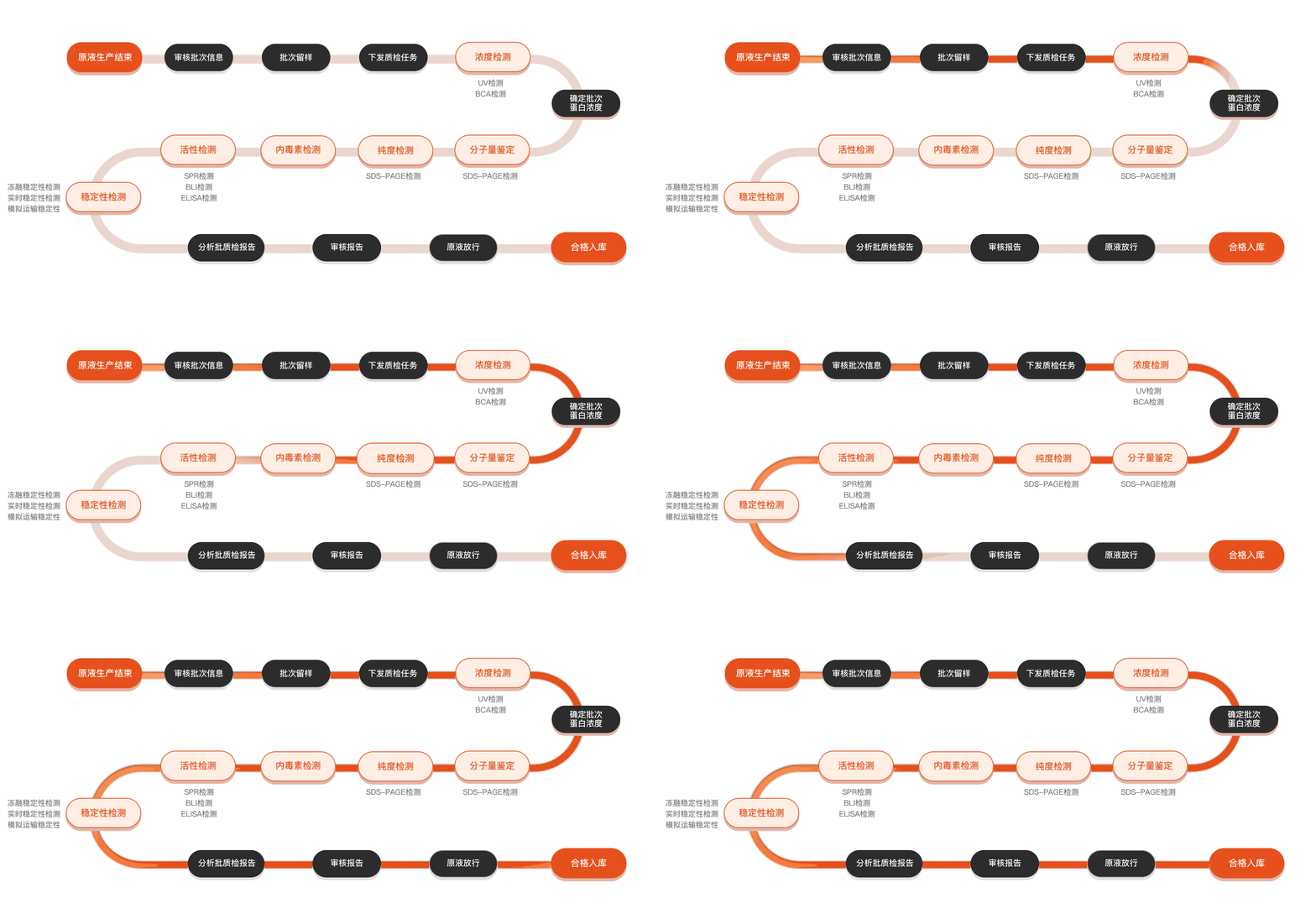
Quality inspection process
Related Products
Protein Description
CXorf48, also known as Chromosome X Open Reading Frame 48, has garnered attention in recent years due to its potential implications in various biological processes and diseases. This gene, located on the X chromosome, is believed to play a role in cellular function and may be involved in the regulation of gene expression. Initial studies suggest that CXorf48 could be associated with certain cancers and developmental disorders, highlighting its significance in health and disease. The recombinant protein of CXorf48 is particularly important for functional studies, as it allows researchers to investigate the protein's biochemical properties, interactions with other cellular components, and its role in cellular pathways. Understanding the structure and function of the CXorf48 protein through recombinant techniques could reveal insights into its mechanism of action and provide potential therapeutic targets. As such, the characterization of the CXorf48 recombinant protein is a crucial step in deciphering its biological roles, paving the way for further research into its relevance in various pathological conditions and potential applications in biomedicine. The ongoing research in this area aims to elucidate the complex interactions and regulatory networks involving CXorf48, contributing to the broader field of gene therapy and precision medicine.