Analytical Data
-
基因名
CYTH4
- Application
-
别名
CYTH4;CYT4;PSCD4;Cytohesin-4
-
种属
Human
-
表达系统
E. coli
-
标签
His tag N-Terminus
-
纯度
Greater than 90% as determined by SDS-PAGE.
-
蛋白编号
Q9UIA0
-
表达区间
1-394aa
-
氨基酸序列
MDLCHPEPAE LSSGETEELQ RIKWHRKQLL EDIQKLKDEI ADVFAQIDCF ESAEESRMAQ KEKELCIGRK KFNMDPAKGI QYFIEHKLLT PDVQDIARFL YKGEGLNKTA IGTYLGERDP INLQVLQAFV DCHEFANLNL VQALRQFLWS FRLPGEAQKI DRMMEAFATR YCLCNPGVFQ STDTCYVLSF SIIMLNTSLH NPNVRDRPPF ERFVSMNRGI NNGSDLPEDQ LRNLFDSIKS EPFSIPEDDG NDLTHTFFNP DREGWLLKLG GRVKTWKRRW FILTDNCLYY FEFTTDKEPR GIIPLENLSV QKVDDPKKPF CLELYNPSCR GQKIKACKTD GDGRVVEGKH ESYRISATSA EERDQWIESI RASITRVPFY DLVSTRKKKI ASKQ
-
内毒素
< 1.0 EU per μg protein as determined by the LAL method.
-
性状
Freeze-dried powder
-
缓冲液
PBS, pH7.4, containing 0.01% SKL, 1mM DTT, 5% Trehalose and Proclin300.
-
复溶方法
Reconstitute in ddH2O to a concentration of 0.1-0.5 mg/mL. Do not vortex.
- 个性化定制
-
稳定性测试
The thermal stability is described by the loss rate. The loss rate was determined by accelerated thermal degradation test, that is, incubate the protein at 37℃ for 48h, and no obvious degradation and precipitation were observed. The loss rate isless than 8% within the expiration date under appropriate storage condition.
-
保存条件 & 期限
Samples are stable for up to twelve months from date of receipt at -20℃ to -80℃. Store it under sterile conditions at -20℃ to -80℃. It is recommended that the protein be aliquoted for optimal storage. Avoid repeated freeze-thaw cycles.
-
运输条件
In general, recombinant proteins are supplied as lyophilized powder and shipped at ambient temperature. For bulk packages, the proteins are provided as frozen liquid and shipped with blue ice, unless otherwise requested by the customer.
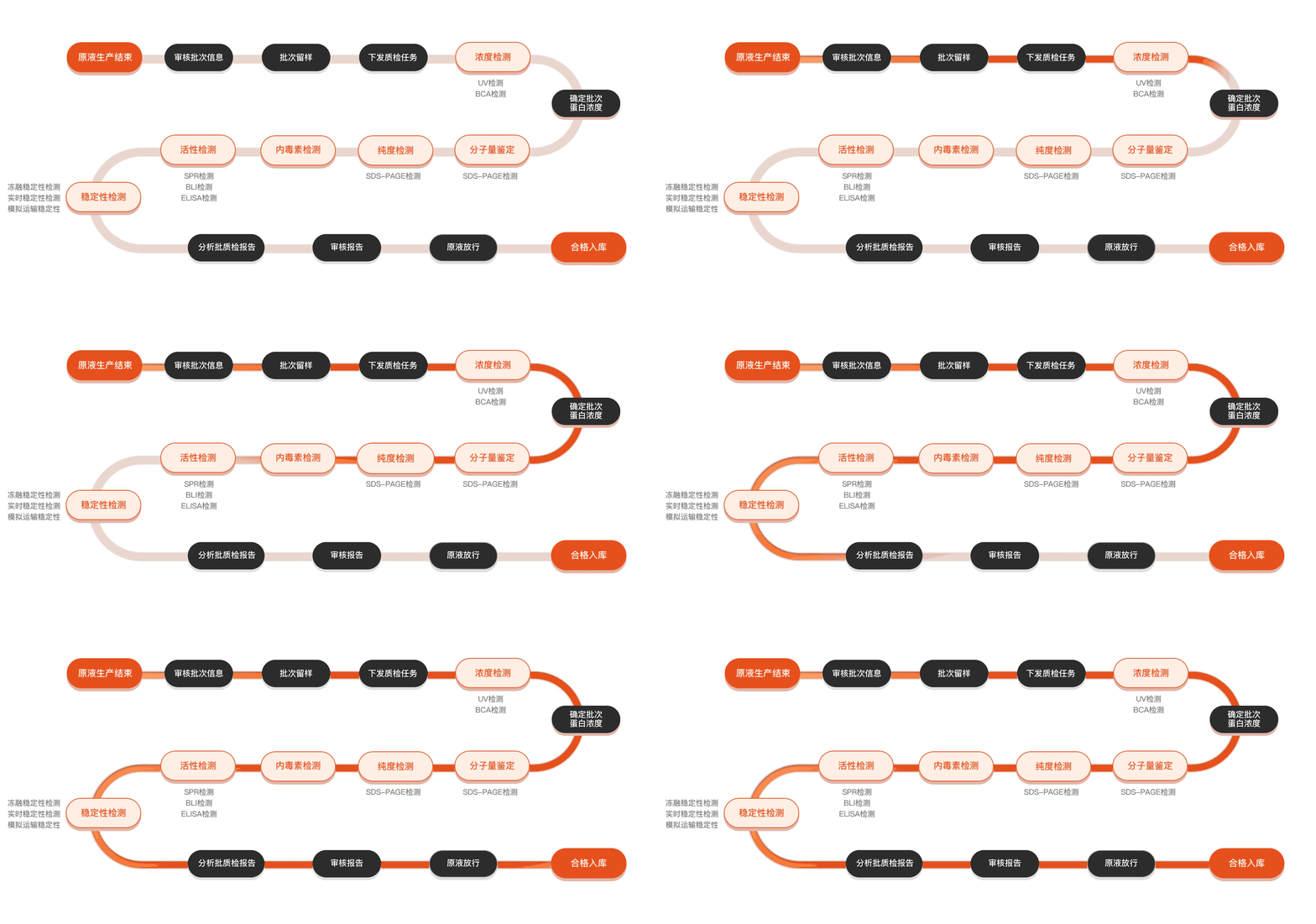
Quality inspection process
Related Products
Protein Description
CYTH4, a member of the cytohesin family of guanine nucleotide exchange factors, plays a crucial role in regulating cellular signaling processes by activating small GTPases such as Arf proteins. These proteins are pivotal in membrane trafficking, cytoskeleton organization, and cell signaling pathways. Research into CYTH4 has gained traction due to its potential implications in various biological processes and disease states, including cancer, neurodegenerative disorders, and metabolic syndromes. As a resemblant entity of other cytohesin members, CYTH4 possesses unique structural and functional characteristics that warrant detailed investigation. Recent studies have highlighted its role in promoting cell proliferation and survival, particularly in the context of oncogenesis, making it an attractive target for therapeutic intervention. The recombinant expression of CYTH4 protein allows for in-depth studies of its biochemical properties, interactions with other cellular molecules, and its effects on cellular behavior. Understanding these mechanisms may lead to novel insights into disease mechanisms and therapeutic strategies, emphasizing the importance of CYTH4 in both fundamental biology and potential medical applications.