Analytical Data
-
Gene name
HPHPM6_1056
- Application
-
Species
Helicobacter pylori Hp M6
-
Source
E. coli
-
Tag
N- His & C- Myc
-
Purity
Greater than 90% as determined by SDS-PAGE.
-
Uniprot
J0TJV0
-
Expression Region
1-121aa
-
Molecular Weight
21.3 kDa
-
Endotoxin
< 1.0 EU per μg protein as determined by the LAL method.
-
Form
Freeze-dried powder
-
Buffer formulation
PBS, pH7.4, containing 0.01% SKL, 1mM DTT, 5% Trehalose and Proclin300.
-
Reconstitution
Reconstitute in ddH2O to a concentration of 0.1-0.5 mg/mL. Do not vortex.
- Customization
-
Stability Test
The thermal stability is described by the loss rate. The loss rate was determined by accelerated thermal degradation test, that is, incubate the protein at 37℃ for 48h, and no obvious degradation and precipitation were observed. The loss rate isless than 8% within the expiration date under appropriate storage condition.
-
Storage & Shelf Life
Samples are stable for up to twelve months from date of receipt at -20℃ to -80℃. Store it under sterile conditions at -20℃ to -80℃. It is recommended that the protein be aliquoted for optimal storage. Avoid repeated freeze-thaw cycles.
-
Shipping
In general, recombinant proteins are supplied as lyophilized powder and shipped at ambient temperature. For bulk packages, the proteins are provided as frozen liquid and shipped with blue ice, unless otherwise requested by the customer.
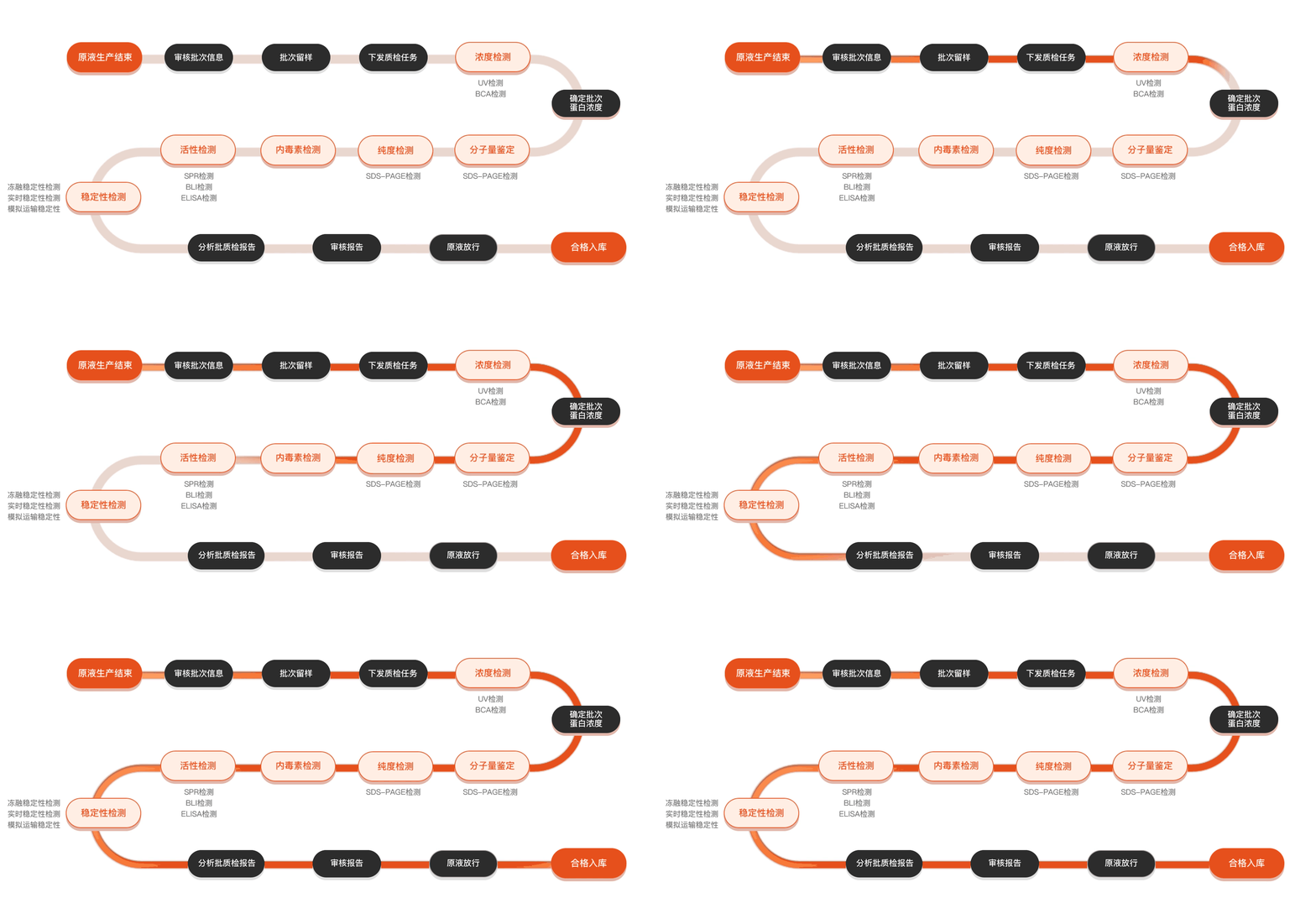
Quality inspection process
Related Products
Protein Description
HPHPM6_1056 is a recombinant protein derived from the bacterium Haemophilus parainfluenzae, and its study is significant due to the protein's potential roles in various biological processes and its implications in microbial pathogenesis. Research into HPHPM6_1056 is essential for understanding the molecular mechanisms underlying bacterial behavior, particularly in the context of host-pathogen interactions. As part of ongoing efforts to explore and characterize proteins with possible therapeutic applications, HPHPM6_1056 has garnered interest as it may contribute to the development of novel antibiotics or other treatments to combat bacterial infections, especially in the face of rising antibiotic resistance. By elucidating the structure, function, and interaction of this protein, scientists aim to reveal insights that could inform drug design and enhance our comprehension of bacterial virulence factors. Additionally, exploring the gene encoding HPHPM6_1056 can shed light on the evolutionary adaptations of Haemophilus parainfluenzae in diverse ecological niches, further contributing to our understanding of microbial diversity and evolution. Overall, research on HPHPM6_1056 represents a critical step in the broader field of microbiology and therapeutic development, with the potential to improve clinical outcomes for patients suffering from bacterial infections.