Analytical Data
-
基因名
resilin
- Application
-
别名
resilin;Pro-resilin
-
种属
Drosophila melanogaster
-
表达系统
E. coli
-
标签
His tag N-Terminus
-
纯度
Greater than 90% as determined by SDS-PAGE.
-
蛋白编号
Q9V7U0
-
表达区间
342-620aa
-
氨基酸序列
PAKYEFNYQVEDAPSGLSFGHSEMRDGDFTTGQYNVLLPDGRKQIVEYEADQQGYRPQIRYEGDANDGSGPSGPGGPGGQNLGADGYSSGRPGNGNGNGNGGYSGGRPGGQDLGPSGYSGGRPGGQDLGAGGYSNGKPGGQDLGPGGYSGGRPGGQDLGRDGYSGGRPGGQDLGASGYSNGRPGGNGNGGSDGGRVIIGGRVIGGQDGGDQGYSGGRPGGQDLGRDGYSSGRPGGRPGGNGQDSQDGQGYSSGRPGQGGRNGFGPGGQNGDNDGSGYRY
-
分子量
34.9 kDa
-
内毒素
< 1.0 EU per μg protein as determined by the LAL method.
-
性状
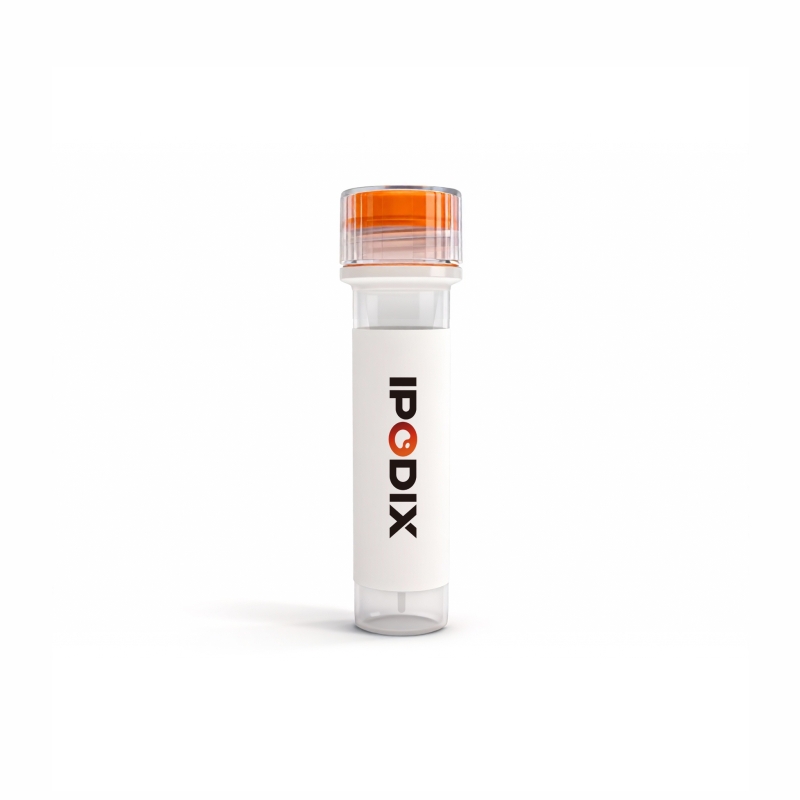
Freeze-dried powder
-
缓冲液
PBS, pH7.4, containing 0.01% SKL, 1mM DTT, 5% Trehalose and Proclin300.
-
复溶方法
Reconstitute in ddH2O to a concentration of 0.1-0.5 mg/mL. Do not vortex.
- 个性化定制
-
稳定性测试
The thermal stability is described by the loss rate. The loss rate was determined by accelerated thermal degradation test, that is, incubate the protein at 37℃ for 48h, and no obvious degradation and precipitation were observed. The loss rate isless than 8% within the expiration date under appropriate storage condition.
-
保存条件 & 期限
Samples are stable for up to twelve months from date of receipt at -20℃ to -80℃. Store it under sterile conditions at -20℃ to -80℃. It is recommended that the protein be aliquoted for optimal storage. Avoid repeated freeze-thaw cycles.
-
运输条件
In general, recombinant proteins are supplied as lyophilized powder and shipped at ambient temperature. For bulk packages, the proteins are provided as frozen liquid and shipped with blue ice, unless otherwise requested by the customer.
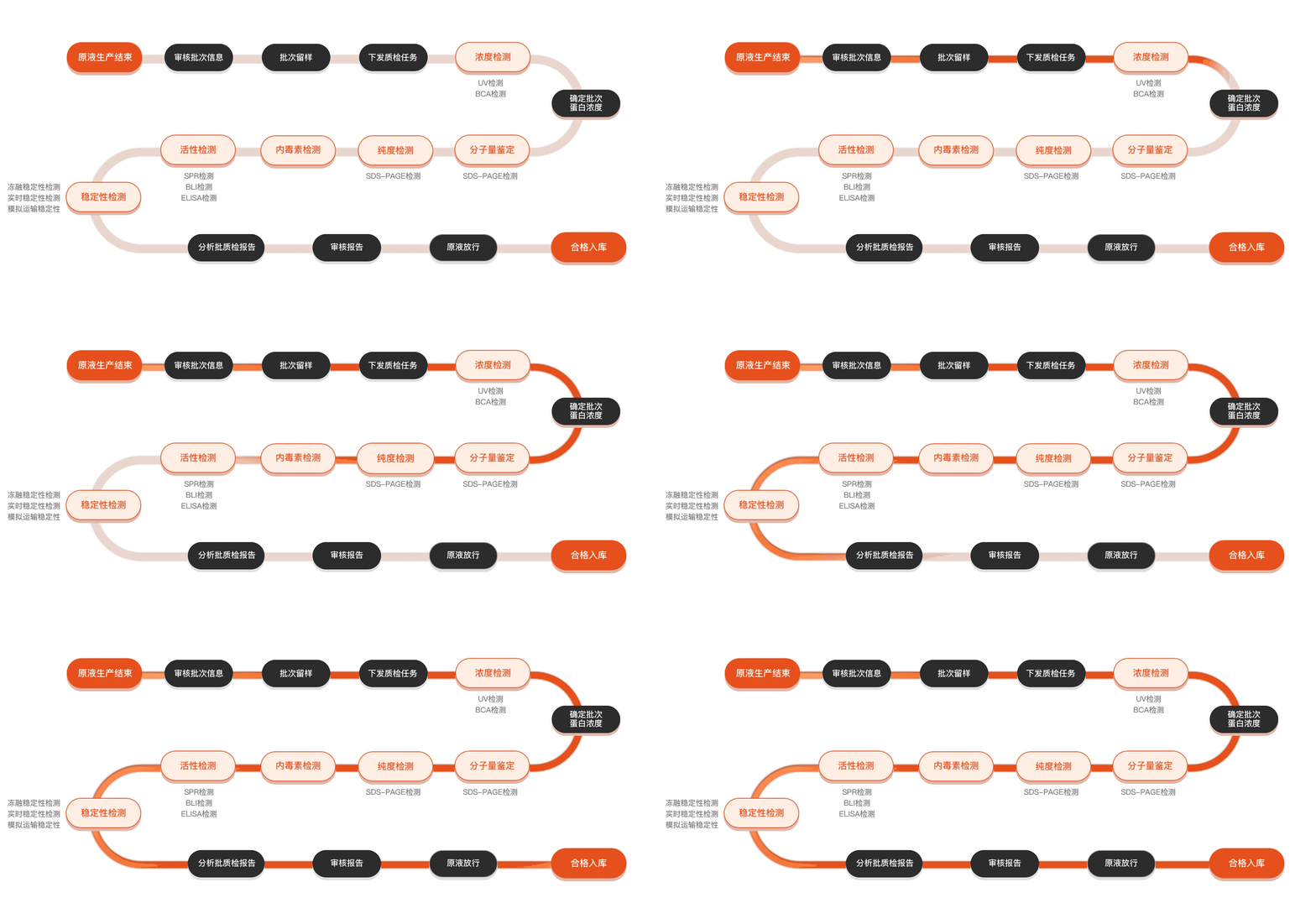
Quality inspection process
Related Products
Protein Description
Resilin is a rubber-like protein that possesses remarkable elasticity and resilience, making it a focus of interest in biomaterials and biotechnology research. Naturally found in various insects, such as in the ligaments of locusts and the wings of certain butterflies, resilin is known for its ability to efficiently store and release energy, which is crucial for the survival of these organisms. The unique properties of resilin, including its high elasticity, low density, and resistance to fatigue, make it an attractive candidate for potential applications in diverse fields such as medicine, tissue engineering, and soft robotics. Researchers have been exploring methods to recombine and synthesize resilin-like proteins using genetic engineering techniques, allowing for the production of recombinant forms that can be tailored for specific applications. This has opened up new avenues for developing advanced materials that mimic the extraordinary mechanical properties of natural resilin. Furthermore, the ability to produce these proteins in a controlled environment offers the promise of sustainable bio-based materials that can replace synthetic polymers in various industrial processes, thus contributing to environmentally friendly practices. The ongoing studies on resilin and its recombined variants aim to deepen our understanding of its structure-function relationships and unlock innovative solutions for pressing challenges in material science and engineering.