Analytical Data
-
基因名
RFC5
- Application
-
别名
RFC5;Replication factor C subunit 5
-
种属
Human
-
表达系统
E. coli
-
标签
His tag N-Terminus
-
纯度
Greater than 90% as determined by SDS-PAGE.
-
蛋白编号
P40937
-
表达区间
1-340aa
-
氨基酸序列
METSALKQQE QPAATKIRNL PWVEKYRPQT LNDLISHQDI LSTIQKFINE DRLPHLLLYG PPGTGKTSTI LACAKQLYKD KEFGSMVLEL NASDDRGIDI IRGPILSFAS TRTIFKKGFK LVILDEADAM TQDAQNALRR VIEKFTENTR FCLICNYLSK IIPALQSRCT RFRFGPLTPE LMVPRLEHVV EEEKVDISED GMKALVTLSS GDMRRALNIL QSTNMAFGKV TEETVYTCTG HPLKSDIANI LDWMLNQDFT TAYRNITELK TLKGLALHDI LTEIHLFVHR VDFPSSVRIH LLTKMADIEY RLSVGTNEKI QLSSLIAAFQ VTRDLIVAEA
-
分子量
38.4 kDa
-
内毒素
< 1.0 EU per μg protein as determined by the LAL method.
-
性状
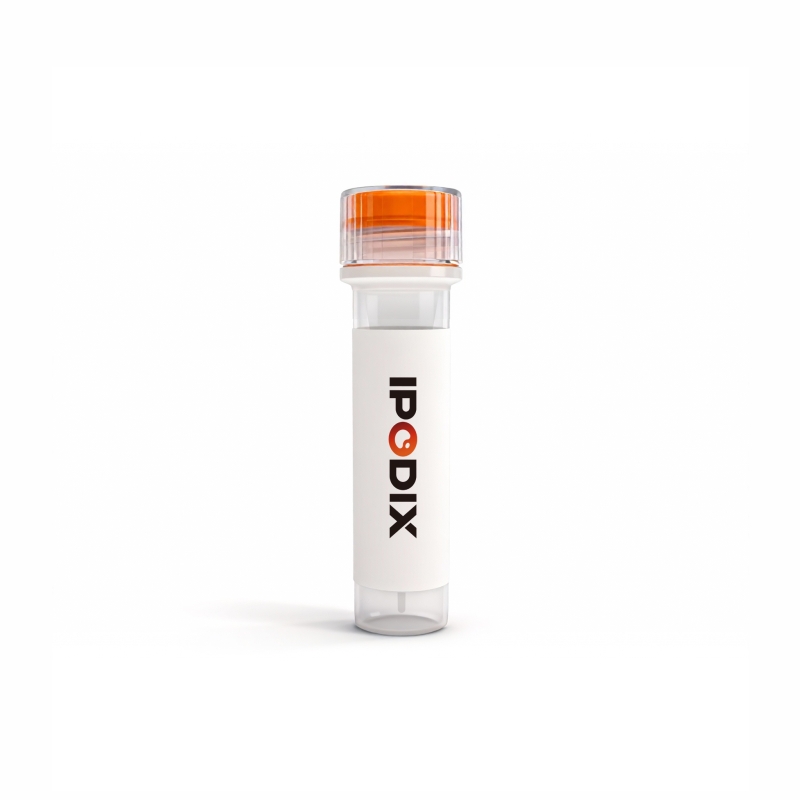
Freeze-dried powder
-
缓冲液
PBS, pH7.4, containing 0.01% SKL, 1mM DTT, 5% Trehalose and Proclin300.
-
复溶方法
Reconstitute in ddH2O to a concentration of 0.1-0.5 mg/mL. Do not vortex.
- 个性化定制
-
稳定性测试
The thermal stability is described by the loss rate. The loss rate was determined by accelerated thermal degradation test, that is, incubate the protein at 37℃ for 48h, and no obvious degradation and precipitation were observed. The loss rate isless than 8% within the expiration date under appropriate storage condition.
-
保存条件 & 期限
Samples are stable for up to twelve months from date of receipt at -20℃ to -80℃. Store it under sterile conditions at -20℃ to -80℃. It is recommended that the protein be aliquoted for optimal storage. Avoid repeated freeze-thaw cycles.
-
运输条件
In general, recombinant proteins are supplied as lyophilized powder and shipped at ambient temperature. For bulk packages, the proteins are provided as frozen liquid and shipped with blue ice, unless otherwise requested by the customer.
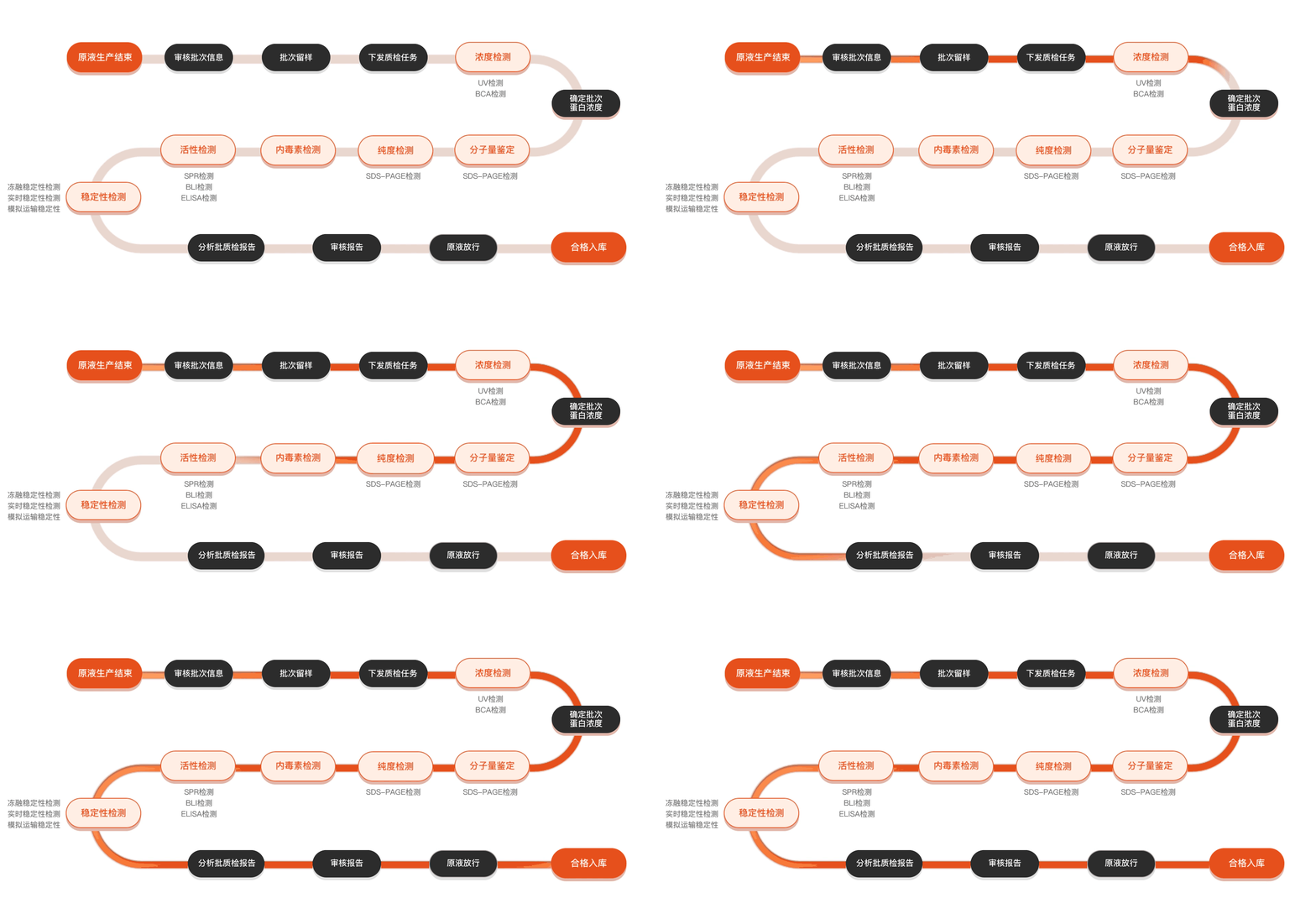
Quality inspection process
Related Products
Protein Description
RFC5, or Replication Factor C subunit 5, is a vital component of the replication factor C complex, which plays a crucial role in DNA replication and repair mechanisms. Understanding RFC5 is essential as it is involved in loading the proliferating cell nuclear antigen (PCNA) onto DNA during replication, a process critical for high-fidelity DNA synthesis. Dysregulation or mutations in RFC5 have been linked to various tumorigenic processes, making it a significant area of study in cancer biology. Researchers are increasingly interested in elucidating the structural and functional properties of RFC5 to determine how its interactions with other proteins influence DNA metabolism. Moreover, the study of RFC5 can provide insight into potential therapeutic targets for cancer treatment, given its essential role in maintaining genomic stability. Advances in techniques such as cryo-electron microscopy and X-ray crystallography have enabled detailed observations of RFC5's conformation and binding interactions, paving the way for a deeper understanding of its biological functions. Overall, the exploration of RFC5 not only sheds light on fundamental cellular processes but also holds promise for developing innovative strategies to combat diseases associated with DNA replication errors.