Analytical Data
-
基因名
TPGS2
- Application
-
别名
TPGS2;C18orf10;Tubulin polyglutamylase complex subunit 2
-
种属
Human
-
表达系统
E. coli
-
标签
His tag N-Terminus
-
纯度
Greater than 90% as determined by SDS-PAGE.
-
蛋白编号
Q68CL5
-
表达区间
1-300aa
-
氨基酸序列
MEEEASSPGL GCSKPHLEKL TLGITRILES SPGVTEVTII EKPPAERHMI SSWEQKNNCV MPEDVKNFYL MTNGFHMTWS VKLDEHIIPL GSMAINSISK LTQLTQSSMY SLPNAPTLAD LEDDTHEASD DQPEKPHFDS RSVIFELDSC NGSGKVCLVY KSGKPALAED TEIWFLDRAL YWHFLTDTFT AYYRLLITHL GLPQWQYAFT SYGISPQAKQ WFSMYKPITY NTNLLTEETD SFVNKLDPSK VFKSKNKIVI PKKKGPVQPA GGQKGPSGPS GPSTSSTSKS SSGSGNPTRK
-
内毒素
< 1.0 EU per μg protein as determined by the LAL method.
-
性状
Freeze-dried powder
-
缓冲液
PBS, pH7.4, containing 0.01% SKL, 1mM DTT, 5% Trehalose and Proclin300.
-
复溶方法
Reconstitute in ddH2O to a concentration of 0.1-0.5 mg/mL. Do not vortex.
- 个性化定制
-
稳定性测试
The thermal stability is described by the loss rate. The loss rate was determined by accelerated thermal degradation test, that is, incubate the protein at 37℃ for 48h, and no obvious degradation and precipitation were observed. The loss rate isless than 8% within the expiration date under appropriate storage condition.
-
保存条件 & 期限
Samples are stable for up to twelve months from date of receipt at -20℃ to -80℃. Store it under sterile conditions at -20℃ to -80℃. It is recommended that the protein be aliquoted for optimal storage. Avoid repeated freeze-thaw cycles.
-
运输条件
In general, recombinant proteins are supplied as lyophilized powder and shipped at ambient temperature. For bulk packages, the proteins are provided as frozen liquid and shipped with blue ice, unless otherwise requested by the customer.
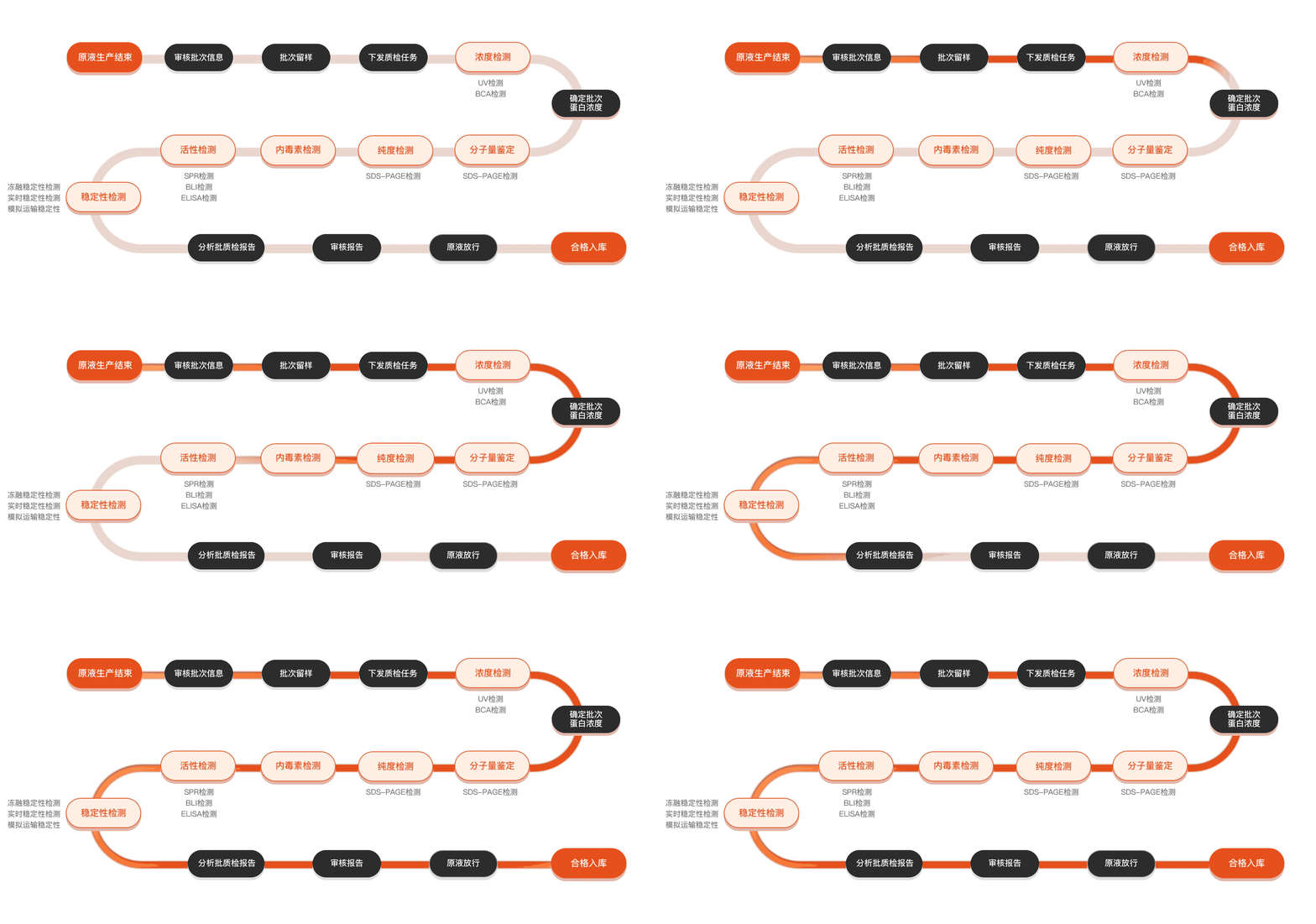
Quality inspection process
Related Products
Protein Description
TPGS2, or tocopheryl polyethylene glycol succinate 2, is a novel recombinant protein derivative of vitamin E that has garnered significant attention in biomedical research. Its unique structure enables enhanced solubility and bioavailability, making it particularly valuable in drug delivery systems and formulations. Research on TPGS2 focuses on its potential applications in improving the efficacy of therapeutic agents, especially in the treatment of cancer and other chronic diseases. The ability of TPGS2 to facilitate micelle formation and enhance cellular uptake poses exciting opportunities for overcoming the limitations of conventional drug solubility and stability. Moreover, studies indicate that TPGS2 can modulate drug metabolism and transport, potentially leading to increased therapeutic effectiveness and reduced side effects. As researchers continue to explore the biochemical pathways influenced by TPGS2, it becomes evident that this recombinant protein holds promise not only as a drug carrier but also as an adjuvant that may enhance the overall therapeutic index of existing drugs. The ongoing exploration of TPGS2 in various study models aims to unlock its full potential, paving the way for the development of more effective and safer therapeutic strategies in clinical settings.