Analytical Data
-
基因名
CGAS
- Application
-
别名
CGAS;C6orf150;MB21D1;Cyclic GMP-AMP synthase
-
种属
Human
-
表达系统
E. coli
-
标签
His tag N-Terminus
-
纯度
Greater than 90% as determined by SDS-PAGE.
-
蛋白编号
Q8N884
-
表达区间
161-522aa
-
氨基酸序列
GASKLRAVLE KLKLSRDDIS TAAGMVKGVV DHLLLRLKCD SAFRGVGLLN TGSYYEHVKI SAPNEFDVMF KLEVPRIQLE EYSNTRAYYF VKFKRNPKEN PLSQFLEGEI LSASKMLSKF RKIIKEEIND IKDTDVIMKR KRGGSPAVTL LISEKISVDI TLALESKSSW PASTQEGLRI QNWLSAKVRK QLRLKPFYLV PKHAKEGNGF QEETWRLSFS HIEKEILNNH GKSKTCCENK EEKCCRKDCL KLMKYLLEQL KERFKDKKHL DKFSSYHVKT AFFHVCTQNP QDSQWDRKDL GLCFDNCVTY FLQCLRTEKL ENYFIPEFNL FSSNLIDKRS KEFLTKQIEY ERNNEFPVFD EF
-
分子量
58 kDa
-
内毒素
< 1.0 EU per μg protein as determined by the LAL method.
-
性状
Freeze-dried powder
-
缓冲液
PBS, pH7.4, containing 0.01% SKL, 1mM DTT, 5% Trehalose and Proclin300.
-
复溶方法
Reconstitute in ddH2O to a concentration of 0.1-0.5 mg/mL. Do not vortex.
- 个性化定制
-
稳定性测试
The thermal stability is described by the loss rate. The loss rate was determined by accelerated thermal degradation test, that is, incubate the protein at 37℃ for 48h, and no obvious degradation and precipitation were observed. The loss rate isless than 8% within the expiration date under appropriate storage condition.
-
保存条件 & 期限
Samples are stable for up to twelve months from date of receipt at -20℃ to -80℃. Store it under sterile conditions at -20℃ to -80℃. It is recommended that the protein be aliquoted for optimal storage. Avoid repeated freeze-thaw cycles.
-
运输条件
In general, recombinant proteins are supplied as lyophilized powder and shipped at ambient temperature. For bulk packages, the proteins are provided as frozen liquid and shipped with blue ice, unless otherwise requested by the customer.
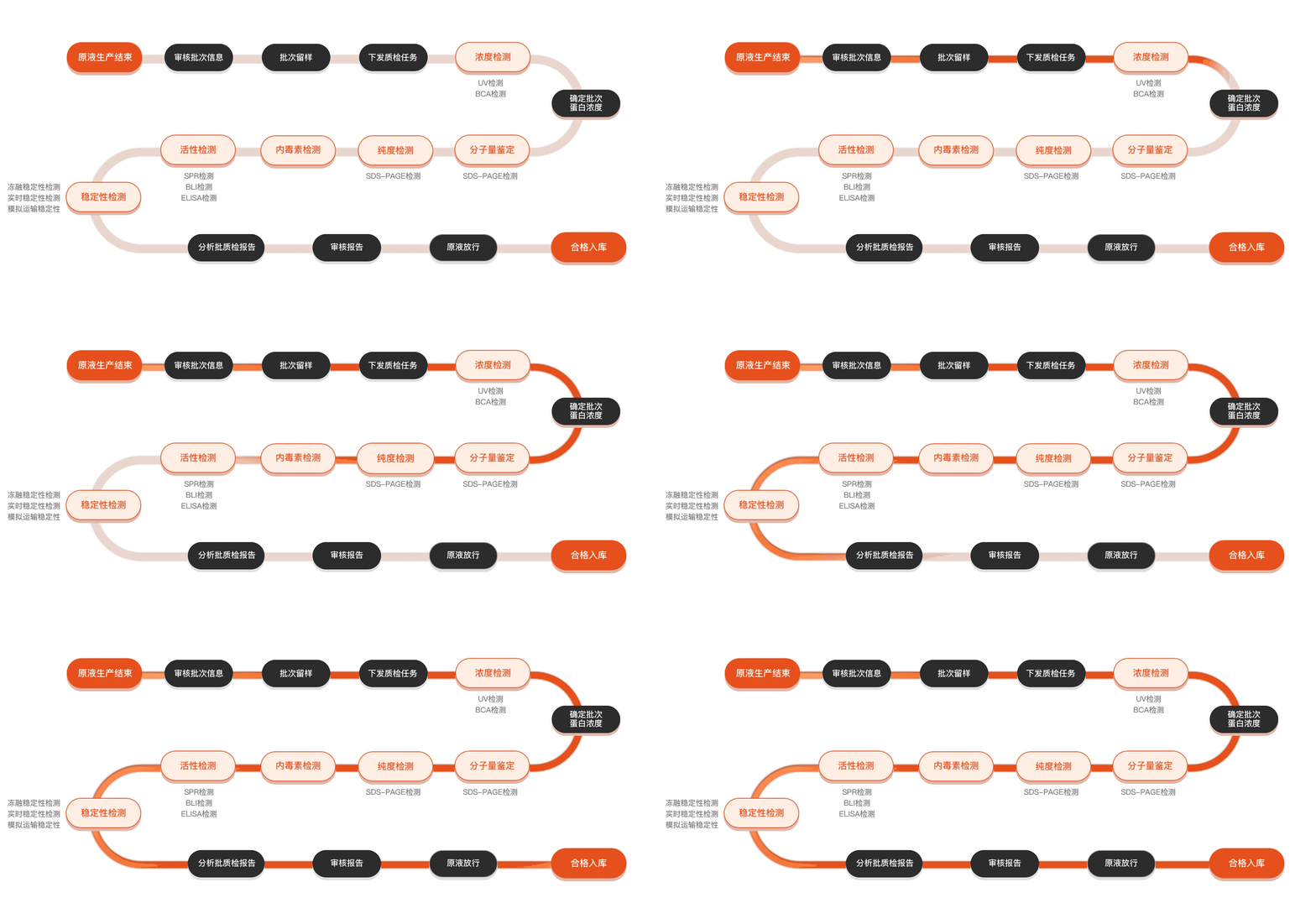
Quality inspection process
Related Products
Protein Description
CGAS (cyclic GMP-AMP synthase) is an essential enzyme that plays a critical role in the innate immune response by detecting cytosolic DNA and producing cyclic GMP-AMP (cGAMP), a second messenger that activates the STING (Stimulator of Interferon Genes) pathway, leading to the production of type I interferons and other cytokines. The dysregulation of the CGAS-STING pathway has been implicated in various diseases, including autoimmune disorders, cancer, and viral infections. As research advances, there is a growing interest in understanding the mechanisms of CGAS activation, its structural dynamics, and the potential therapeutic applications of CGAS modulators. The recombinant expression of CGAS protein allows for detailed biochemical assays and structural studies, aiding in the identification of small molecules or peptides that can enhance or inhibit its activity. Moreover, the ability to produce CGAS in significant quantities opens new avenues for drug discovery and the development of novel therapies targeting CGAS-related pathways, thereby enhancing our understanding of immune regulation and the treatment of related diseases. This research not only deepens our comprehension of fundamental biological processes but also has the potential to lead to innovative therapeutic strategies for conditions arising from CGAS dysfunction.