Analytical Data
-
基因名
ANGPT4
- Application
-
别名
ANGPT4;ANG3;ANG4;Angiopoietin-4
-
种属
Human
-
表达系统
E. coli
-
标签
His tag N-Terminus
-
纯度
Greater than 90% as determined by SDS-PAGE.
-
蛋白编号
Q9Y264
-
表达区间
25-503aa
-
氨基酸序列
TRQEAD RGCETLVVQH GHCSYTFLLP KSEPCPPGPE VSRDSNTLQR ESLANPLHLG KLPTQQVKQL EQALQNNTQW LKKLERAIKT ILRSKLEQVQ QQMAQNQTAP MLELGTSLLN QTTAQIRKLT DMEAQLLNQT SRMDAQMPET FLSTNKLENQ LLLQRQKLQQ LQGQNSALEK RLQALETKQQ EELASILSKK AKLLNTLSRQ SAALTNIERG LRGVRHNSSL LQDQQHSLRQ LLVLLRHLVQ ERANASAPAF IMAGEQVFQD CAEIQRSGAS ASGVYTIQVS NATKPRKVFC DLQSSGGRWT LIQRRENGTV NFQRNWKDYK QGFGDPAGEH WLGNEVVHQL TRRAAYSLRV ELQDWEGHEA YAQYEHFHLG SENQLYRLSV VGYSGSAGRQ SSLVLQNTSF STLDSDNDHC LCKCAQVMSG GWWFDACGLS NLNGVYYHAP DNKYKMDGIR WHYFKGPSYS LRASRMMIRP LDI
-
内毒素
< 1.0 EU per μg protein as determined by the LAL method.
-
性状
Freeze-dried powder
-
缓冲液
PBS, pH7.4, containing 0.01% SKL, 1mM DTT, 5% Trehalose and Proclin300.
-
复溶方法
Reconstitute in ddH2O to a concentration of 0.1-0.5 mg/mL. Do not vortex.
- 个性化定制
-
稳定性测试
The thermal stability is described by the loss rate. The loss rate was determined by accelerated thermal degradation test, that is, incubate the protein at 37℃ for 48h, and no obvious degradation and precipitation were observed. The loss rate isless than 8% within the expiration date under appropriate storage condition.
-
保存条件 & 期限
Samples are stable for up to twelve months from date of receipt at -20℃ to -80℃. Store it under sterile conditions at -20℃ to -80℃. It is recommended that the protein be aliquoted for optimal storage. Avoid repeated freeze-thaw cycles.
-
运输条件
In general, recombinant proteins are supplied as lyophilized powder and shipped at ambient temperature. For bulk packages, the proteins are provided as frozen liquid and shipped with blue ice, unless otherwise requested by the customer.
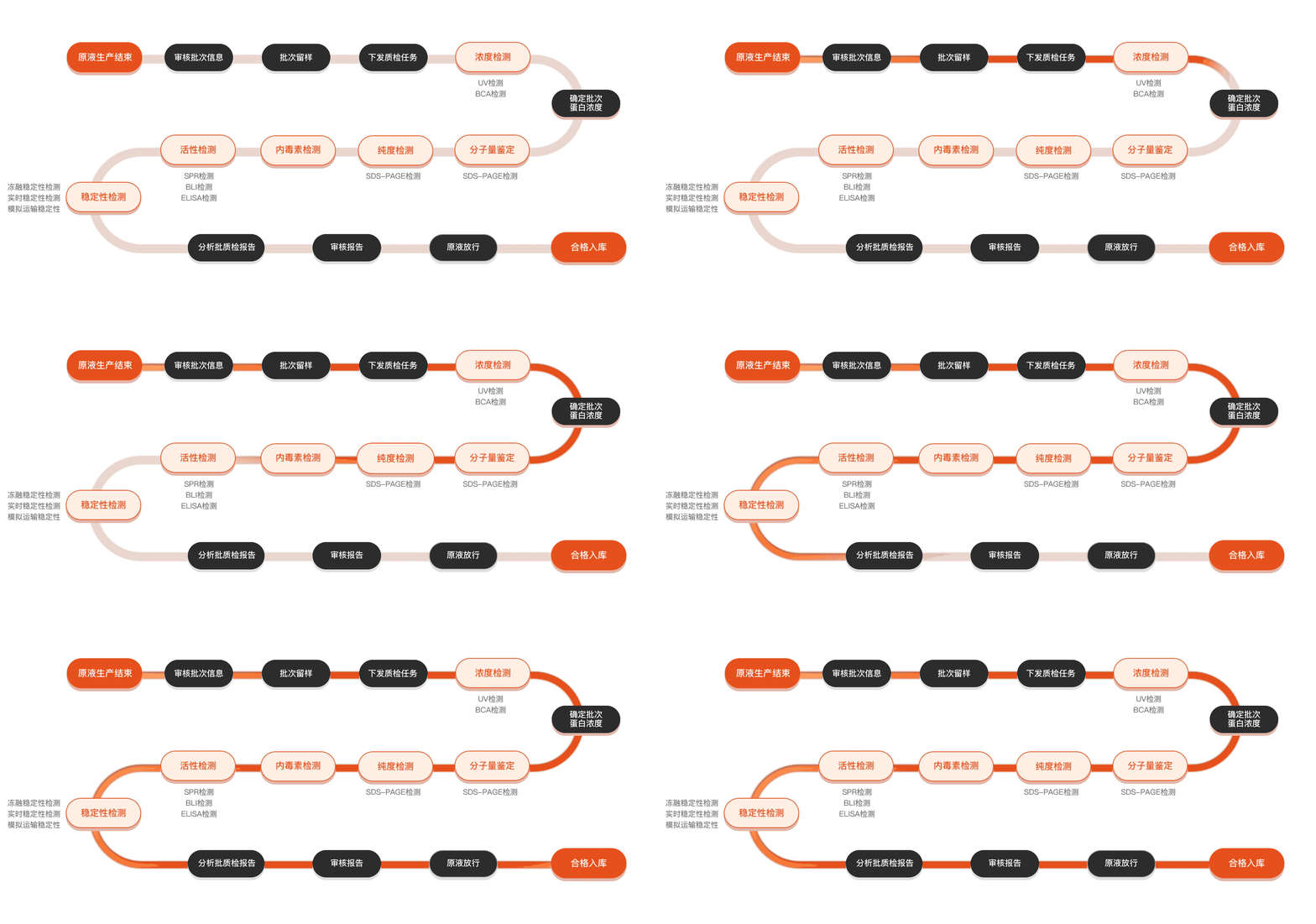
Quality inspection process
Related Products
Protein Description
ANGPT4 (Angiopoietin 4) is a member of the angiopoietin family of proteins that plays a crucial role in vascular development, inflammation, and metabolism. Initially identified as an angiogenic factor, ANGPT4 has garnered attention for its multifaceted contributions beyond just influencing blood vessel formation. Research indicates that ANGPT4 is involved in processes such as modulating endothelial cell function, supporting the blood-brain barrier, and participating in metabolic regulation, particularly in the context of obesity and diabetes. Dysregulation of ANGPT4 expression has been linked to various diseases, including cancer and cardiovascular disorders, positioning it as a potential biomarker and therapeutic target. The recombinant expression and characterization of ANGPT4 protein are essential for understanding its biological functions and implications in health and disease. Advances in recombinant protein technology have facilitated the production of ANGPT4, enabling researchers to explore its mechanisms of action and therapeutic applications more effectively. Studying ANGPT4 in a recombinant form allows for detailed analyses of its interactions with receptors, identification of signaling pathways, and evaluation of its potential in drug development, particularly in conditions where angiogenesis and metabolism are disrupted. As research into ANGPT4 continues to evolve, its role as a key player in various physiological and pathological processes offers promising avenues for clinical interventions and understanding complex disease mechanisms.