

Analytical Data
-
Gene name
PNMAL1
- Application
-
Alternative Names
PNMA8A; PNMAL1; Paraneoplastic antigen-like protein 8A; PNMA-like protein 1
-
Species
Human
-
Source
E. coli
-
Tag
His tag N-Terminus
-
Purity
Greater than 90% as determined by SDS-PAGE.
-
Uniprot
Q86V59
-
Expression Region
1-439 aa
-
AA Sequence
MSKTMAMNLL EDWCRGMEVD IHRSLLVTGI PEDCGQAEIE ETLNGVLSPL GPYRVLNKIF VREENVKAAL IEVGEGVNLS TIPREFPGRG GVWRVVCRDP TQDAEFLKNL NEFLDAEGRT WEDVVRLLQL NHPTLSQNQH QPPENWAEAL GVLLGAVVQI IFCMDAEIRS REEARAQEAA EFEEMAAWAL AAGRKVKKEP GLAAEVGSAL KAETPNNWNA TEDQHEPTKP LVRRAGAKSR SRRKKQKKNS RQEAVPWKKP KGINSNSTAN LEDPEVGDAE SMAISEPIKG SRKPCVNKEE LALKKPMAKC AWKGPREPPQ DARAEAESPG GASESDQDGG HESPPKKKAV AWVSAKNPAP MRKKKKVSLG PVSYVLVDSE DGRKKPVMPK KGPGSRREAS DQKAPRGQQP AEATASTSRG PKAKPEGSPR RATNESRKV
-
Molecular Weight
48.1 kDa
-
Endotoxin
< 1.0 EU per μg protein as determined by the LAL method.
-
Form
Freeze-dried powder
-
Buffer formulation
PBS, pH7.4, containing 0.01% SKL, 1mM DTT, 5% Trehalose and Proclin300.
-
Reconstitution
Reconstitute in ddH2O to a concentration of 0.1-0.5 mg/mL. Do not vortex.
- Customization
-
Stability Test
The thermal stability is described by the loss rate. The loss rate was determined by accelerated thermal degradation test, that is, incubate the protein at 37℃ for 48h, and no obvious degradation and precipitation were observed. The loss rate isless than 8% within the expiration date under appropriate storage condition.
-
Storage & Shelf Life
Samples are stable for up to twelve months from date of receipt at -20℃ to -80℃. Store it under sterile conditions at -20℃ to -80℃. It is recommended that the protein be aliquoted for optimal storage. Avoid repeated freeze-thaw cycles.
-
Shipping
In general, recombinant proteins are supplied as lyophilized powder and shipped at ambient temperature. For bulk packages, the proteins are provided as frozen liquid and shipped with blue ice, unless otherwise requested by the customer.
Quality inspection process

Related Products
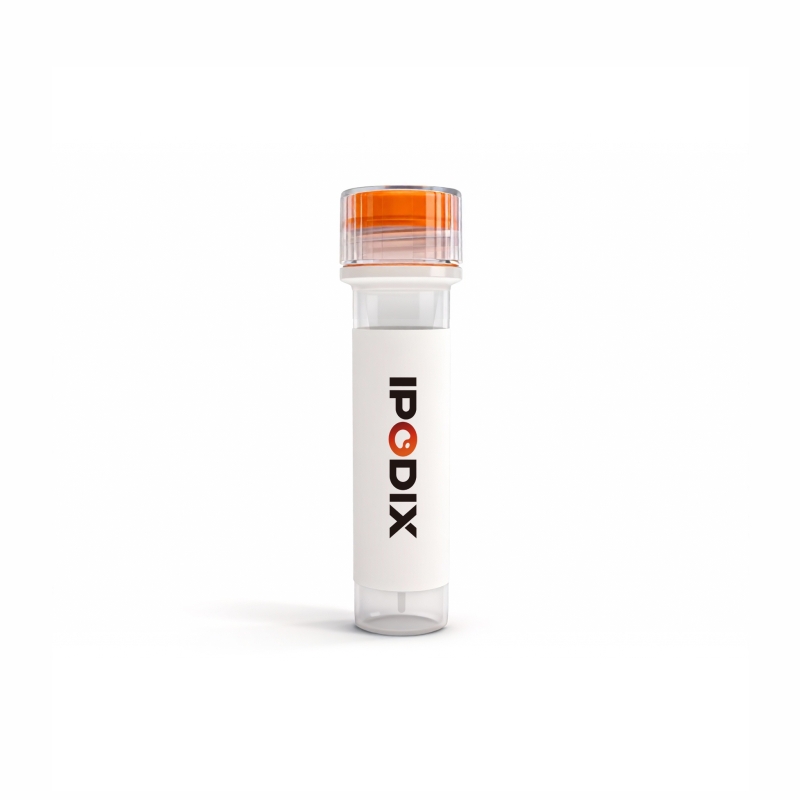
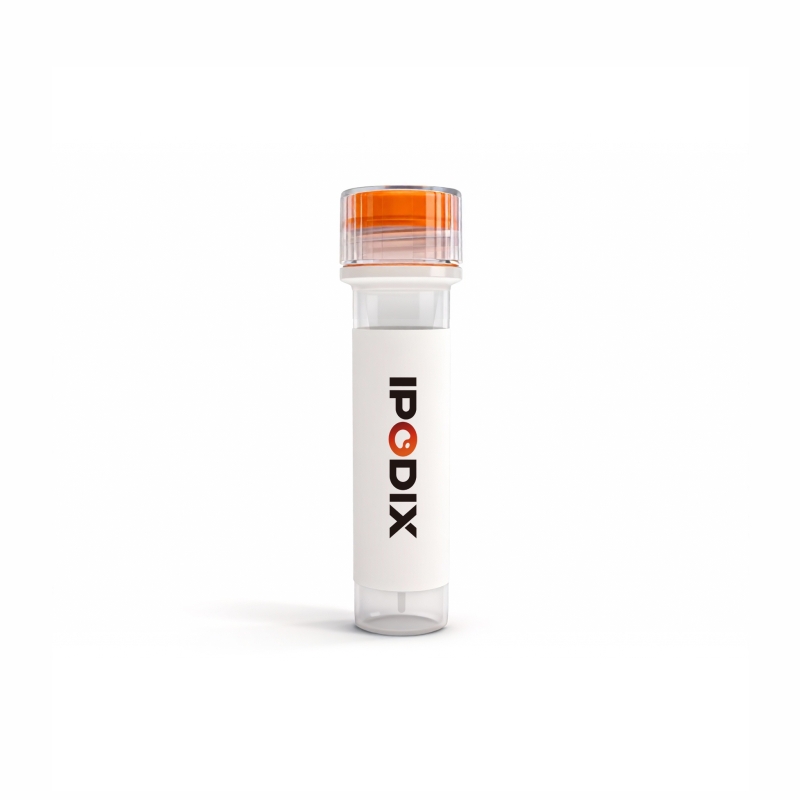
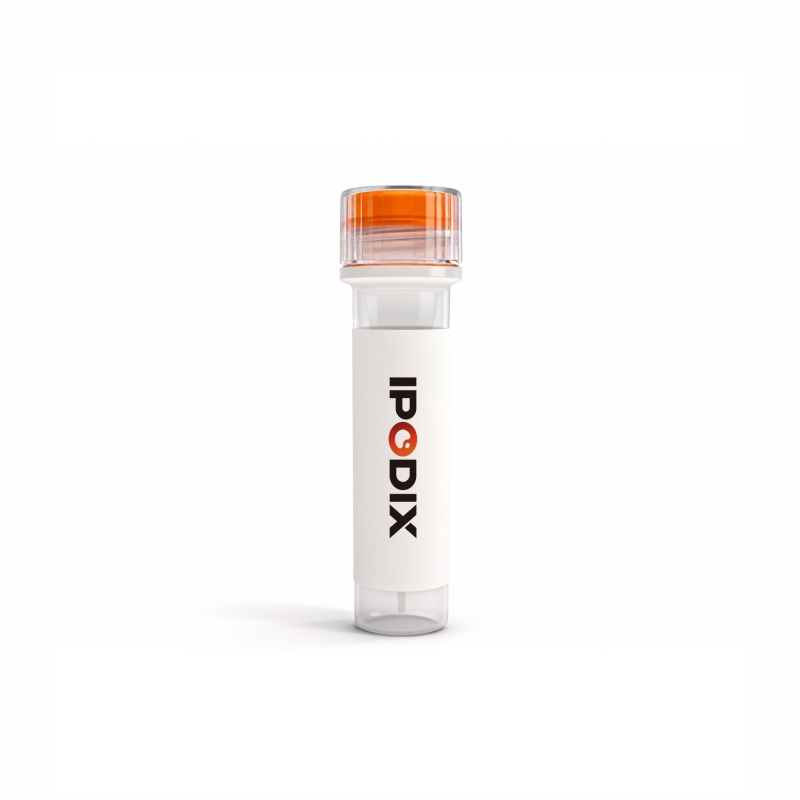
Protein Description
PNMAL1, a protein initially identified in the context of cancer research, has garnered attention for its potential role in cellular processes and disease mechanisms. It is suggested that PNMAL1 may be involved in regulating cell adhesion, migration, and proliferation, which are critical in both normal tissue development and tumor progression. The interest in this protein arises from its unique structure, which includes multiple functional domains that may interact with various cellular pathways. Recent studies have indicated that altered expression of PNMAL1 is linked to several malignancies, making it a candidate for further investigation as a biomarker or therapeutic target. Researchers are focusing on recombinant PNMAL1 protein production to better understand its biological functions and interactions at a molecular level. This includes elucidating the protein’s structure-function relationship, as well as its potential roles in signaling pathways associated with cancer and other diseases. Additionally, the development of PNMAL1 as a recombinant protein opens avenues for exploring its applications in drug discovery and development, providing insights that could lead to innovative therapeutic strategies. Overall, the study of PNMAL1 and its recombinant forms is paving the way for new discoveries in cancer biology and cell physiology, highlighting the importance of comprehensive research into lesser-studied proteins that could have significant implications for health and disease.







