Analytical Data
-
基因名
EphB1
- Application
-
别名
EphB1;ELK;EPHT2;HEK6;Ephrin type-B receptor 1
-
种属
Human
-
表达系统
E. coli
-
标签
His tag N-Terminus
-
纯度
Greater than 90% as determined by SDS-PAGE.
-
蛋白编号
P54762-1
-
表达区间
1-540aa
-
氨基酸序列
MALDYLLLLL LASAVAAMEE TLMDTRTATA ELGWTANPAS GWEEVSGYDE NLNTIRTYQV CNVFEPNQNN WLLTTFINRR GAHRIYTEMR FTVRDCSSLP NVPGSCKETF NLYYYETDSV IATKKSAFWS EAPYLKVDTI AADESFSQVD FGGRLMKVNT EVRSFGPLTR NGFYLAFQDY GACMSLLSVR VFFKKCPSIV QNFAVFPETM TGAESTSLVI ARGTCIPNAE EVDVPIKLYC NGDGEWMVPI GRCTCKPGYE PENSVACKAC PAGTFKASQE AEGCSHCPSN SRSPAEASPI CTCRTGYYRA DFDPPEVACT SVPSGPRNVI SIVNETSIIL EWHPPRETGG RDDVTYNIIC KKCRADRRSC SRCDDNVEFV PRQLGLTECR VSISSLWAHT PYTFDIQAIN GVSSKSPFPP QHVSVNITTN QAAPSTVPIM HQVSATMRSI TLSWPQPEQP NGIILDYEIR YYEKEHNEFN SSMARSQTNT ARIDGLRPGM VYVVQVRART VAGYGKFSGK MCFQTLTDDD YKSELREQLP
-
分子量
60 kDa
-
内毒素
< 1.0 EU per μg protein as determined by the LAL method.
-
性状
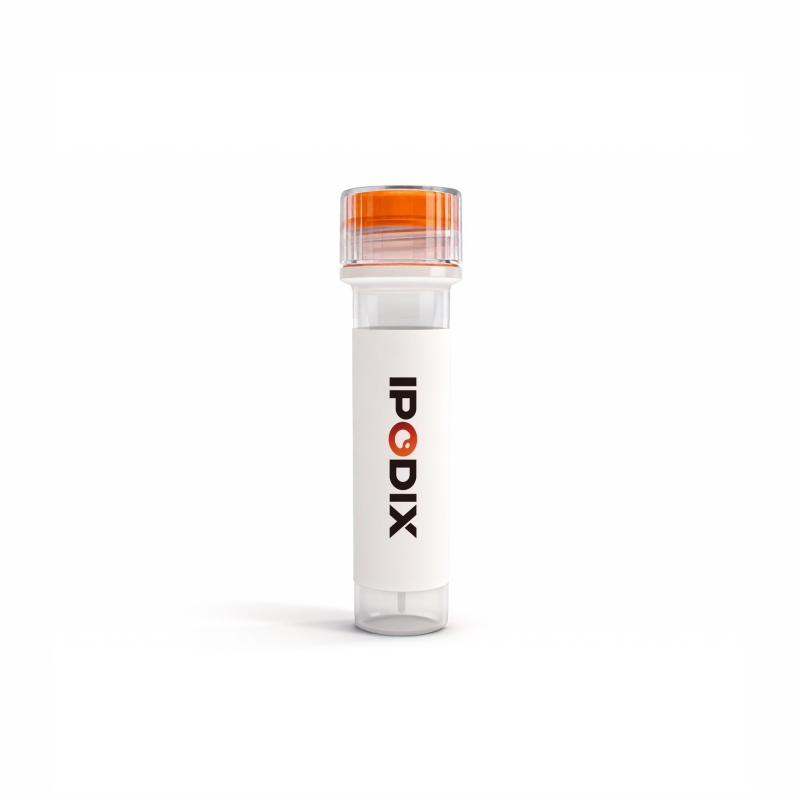
Freeze-dried powder
-
缓冲液
PBS, pH7.4, containing 0.01% SKL, 1mM DTT, 5% Trehalose and Proclin300.
-
复溶方法
Reconstitute in ddH2O to a concentration of 0.1-0.5 mg/mL. Do not vortex.
- 个性化定制
-
稳定性测试
The thermal stability is described by the loss rate. The loss rate was determined by accelerated thermal degradation test, that is, incubate the protein at 37℃ for 48h, and no obvious degradation and precipitation were observed. The loss rate isless than 8% within the expiration date under appropriate storage condition.
-
保存条件 & 期限
Samples are stable for up to twelve months from date of receipt at -20℃ to -80℃. Store it under sterile conditions at -20℃ to -80℃. It is recommended that the protein be aliquoted for optimal storage. Avoid repeated freeze-thaw cycles.
-
运输条件
In general, recombinant proteins are supplied as lyophilized powder and shipped at ambient temperature. For bulk packages, the proteins are provided as frozen liquid and shipped with blue ice, unless otherwise requested by the customer.
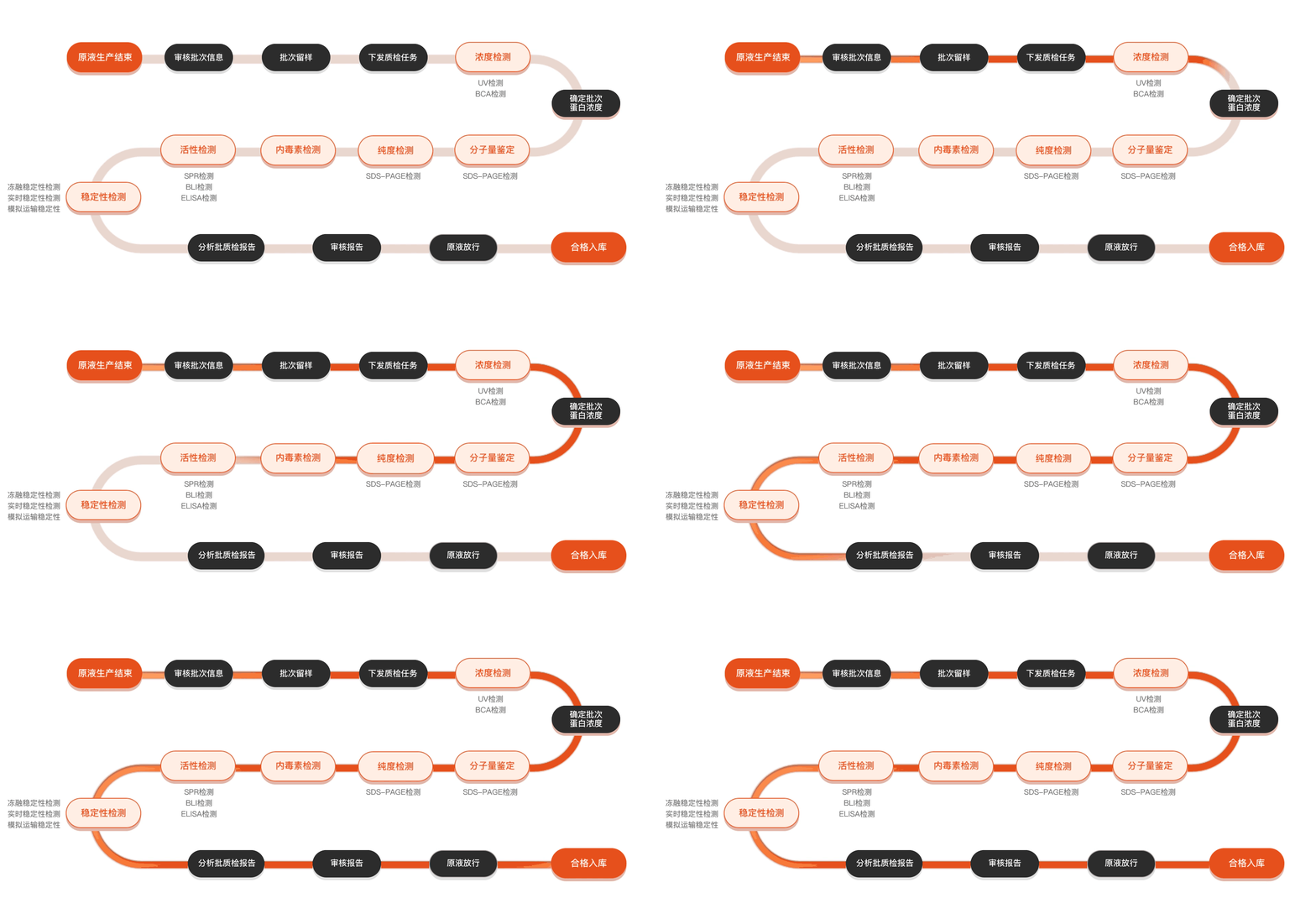
Quality inspection process
Related Products
Recombinant Human CDKN2D Protein,His
Cat:PA1000-4588
Recombinant Human ELAVL4 Protein,His
Cat:PA2000-1979
Protein Description
EphB1, a member of the Eph receptor tyrosine kinase family, has garnered significant interest in research due to its crucial role in developmental processes, particularly in neurogenesis and angiogenesis. These receptors are known for mediating cell-cell interactions through ephrin ligands, which are essential for a variety of biological functions, including cell migration, differentiation, and tissue patterning. Abnormal EphB1 signaling has been implicated in several pathological conditions, such as cancer metastasis and neurological disorders, making it a potential therapeutic target. The study of EphB1 recombinant proteins allows scientists to explore its structure-function relationship and interactions with ephrins and intracellular signaling partners. This research can provide insights into the molecular mechanisms underlying EphB1's role in cellular processes, paving the way for the development of novel strategies for disease intervention. Additionally, understanding the modulation of EphB1 activity may contribute to therapeutic approaches in regenerative medicine and cancer treatment, highlighting the significance of characterizing EphB1 through recombinant protein technologies.